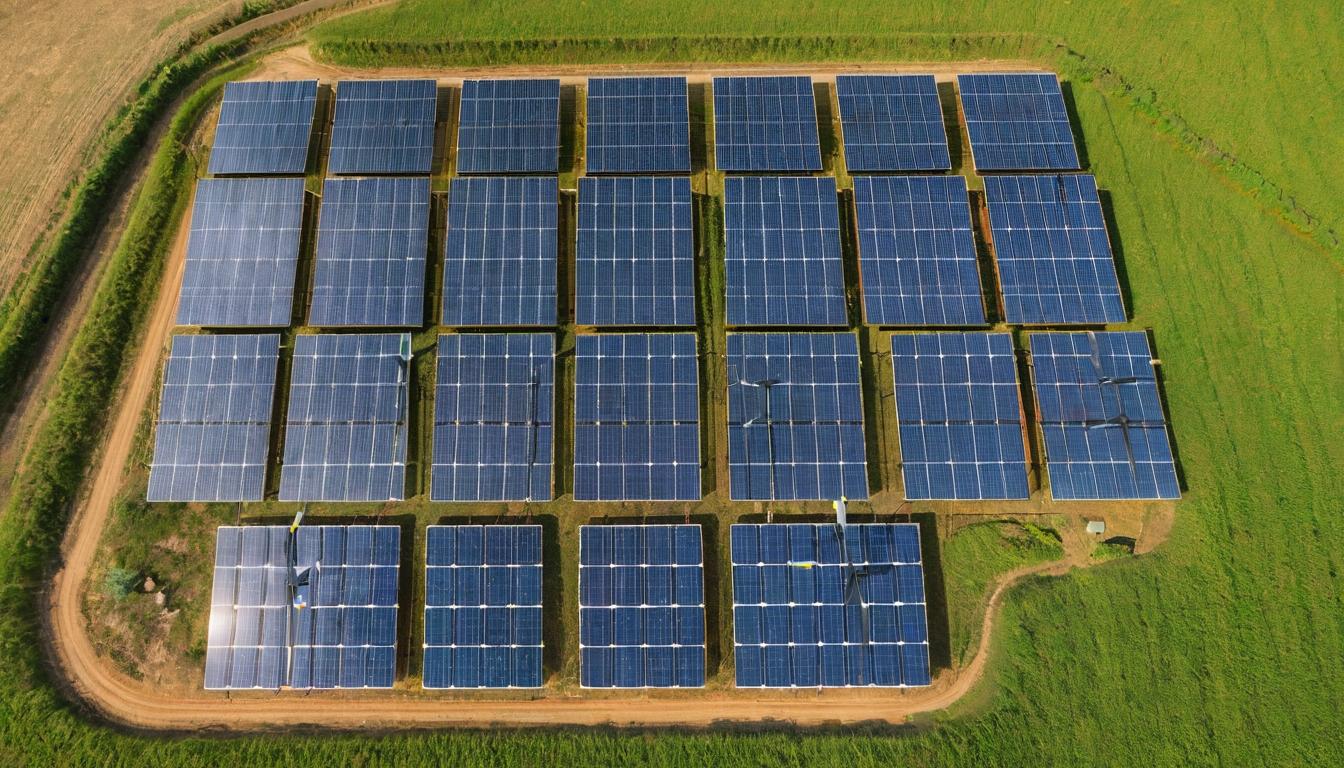
In the race to decarbonize America's power sector, there's a quiet crisis unfolding behind the substations and transmission lines that few policymakers want to discuss. While solar panels gleam in desert sun and wind turbines spin majestically across plains, the century-old grid they feed into is groaning under the strain of this new energy reality. This isn't just about building more renewables—it's about whether our antiquated electrical backbone can handle what we're already installing.
Across the Midwest, wind farms are being paid to shut down during peak generation hours because local grids can't transport their power to population centers. In California, solar installations face increasing curtailment as midday production overwhelms circuits designed for a different era. These aren't isolated incidents but symptoms of a systemic mismatch between our clean energy ambitions and our grid's physical limitations. The Department of Energy estimates we need to expand transmission systems by 60% by 2030 to meet climate goals—a target we're currently missing by decades.
What makes this infrastructure gap particularly insidious is how it disproportionately impacts communities already bearing environmental burdens. Rural areas hosting new renewable projects often lack the transmission capacity to fully utilize what they produce, creating what energy justice advocates call 'green energy sacrifice zones.' Meanwhile, urban centers continue drawing power from distant fossil fuel plants through transmission corridors that bypass these same communities. This geographical disconnect reveals how physical grid constraints reinforce existing energy inequities.
Utility companies face their own paradoxical bind. Many are investing billions in grid modernization while simultaneously lobbying against policies that would accelerate transmission expansion. Their calculus is simple: building local distribution upgrades generates guaranteed returns for shareholders, while regional transmission projects create competition and dilute their control. This creates perverse incentives where utilities profit from Band-Aid solutions rather than advocating for the comprehensive overhaul the energy transition requires.
Emerging technologies offer both promise and complications. Advanced grid-forming inverters could help stabilize networks with high renewable penetration, while virtual power plants might defer some transmission needs. But these solutions work within existing constraints rather than addressing the fundamental capacity shortage. Like adding more apps to a smartphone with outdated hardware, we're optimizing a system that's fundamentally undersized for its new purpose.
Perhaps most troubling is the regulatory maze that makes meaningful progress nearly impossible. A single transmission line crossing multiple states might need approval from dozens of agencies, each with different priorities and timelines. The recently passed infrastructure bill includes transmission permitting reforms, but these modest changes barely scratch the surface of a process that can take longer to navigate than to physically build the lines themselves.
As climate disasters intensify, this infrastructure vulnerability becomes increasingly dangerous. The Texas blackouts demonstrated how isolated grids fail catastrophically under stress, while California's wildfire prevention blackouts show how aging equipment creates impossible trade-offs between safety and reliability. These events aren't anomalies but previews of a future where our energy system's weaknesses are regularly exposed.
The solution requires acknowledging an uncomfortable truth: we can't simply replace fossil fuels with renewables using the same grid architecture. We need a fundamental reimagining of how electricity moves across the country, with transmission treated as critical national infrastructure rather than a patchwork of utility territories. This means overcoming not just technical challenges but political ones—particularly the local opposition that stalls projects even when everyone agrees they're necessary.
What's emerging is a quiet consensus among grid operators, renewable developers, and even some forward-thinking utilities: the energy transition's success depends less on tomorrow's breakthrough technologies than on upgrading yesterday's wires and poles. Until we confront this unsexy but essential reality, our clean energy ambitions will remain constrained by copper and steel limitations we've neglected for too long.
The grid's dirty secret: How outdated infrastructure is quietly sabotaging the clean energy transition