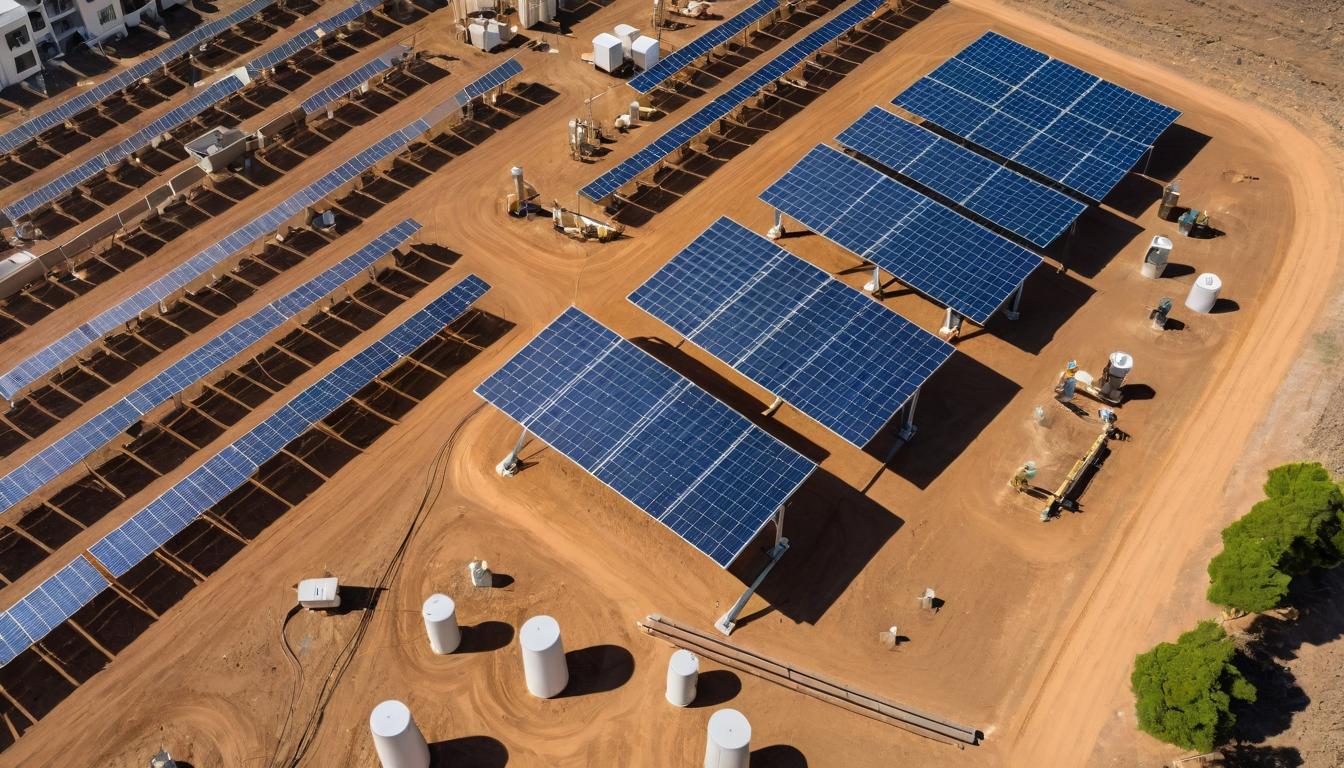
While headlines scream about solar panels and wind turbines, a quieter revolution is unfolding in the basements of utilities and the algorithms of tech startups. This isn't about generating more clean electrons—it's about teaching the grid to think. Across the country, from a control room in Texas to a suburban neighborhood in Vermont, artificial intelligence is beginning to orchestrate the chaotic dance of supply and demand in ways that would have seemed like science fiction just five years ago. The old paradigm of centralized, predictable power is crumbling, replaced by a nimble, decentralized network that learns and adapts in real-time.
For decades, the grid operated on a simple principle: generate enough power to meet the highest predicted demand, then send it one-way from massive plants to passive consumers. That model is breaking under the weight of rooftop solar, electric vehicles, and extreme weather. The solution emerging isn't bigger power lines, but smarter software. Companies like AutoGrid and Uplight are deploying AI that can predict a neighborhood's solar output 36 hours in advance with 95% accuracy, or convince thousands of water heaters to pause heating for 15 minutes to shave a critical peak without a single homeowner noticing. This isn't just efficiency; it's a fundamental reimagining of grid stability, turning millions of appliances into a virtual power plant.
Parallel to this digital transformation, a physical one is taking root in communities that have grown weary of waiting for the big utilities to save them. Microgrids—self-contained energy islands that can disconnect from the main grid—are proliferating, not as boutique experiments, but as critical infrastructure. In Puerto Rico, after Hurricane Maria, and in California, amid relentless wildfire threats, communities are building their own solar-plus-battery systems that keep the lights on when the central grid fails. What started as resilience projects are now becoming permanent fixtures, challenging the very notion of a monolithic utility. Companies like BoxPower and Scale Microgrids are delivering these systems in shipping containers, making them as plug-and-play as a household appliance.
This shift creates a bizarre new tension. Utilities, long the unchallenged masters of the energy domain, now find themselves in a delicate dance with these upstarts. Some, like Green Mountain Power in Vermont, are embracing the change, actively helping customers install batteries and then paying to use them as grid assets. Others are fighting a rearguard action, lobbying for rules that would stifle community solar or impose punitive fees on rooftop solar owners. The battlefield is the regulatory hearing room, where arcane debates about 'net metering' and 'interconnection standards' will determine whether this energy revolution is open and democratic or remains under the thumb of legacy monopolies.
Beneath all this lies the human element, often lost in the technical jargon. In the Bronx, a community solar project on a former landfill is not just providing clean power; it's slashing electricity bills for low-income families and creating local jobs. In the Midwest, farmers are leasing corners of their land for small wind turbines, creating a new cash crop that harvests the breeze. The energy transition, when done right, isn't just about swapping coal for sunshine; it's about rewriting the economic rules of who benefits from power. The risk is that without deliberate policy, the benefits of smart grids and local energy will flow only to the wealthy and tech-savvy, leaving others behind with an outdated, expensive system.
The next five years will be decisive. Will we build a smart, resilient, and equitable grid, or a fragmented, brittle, and unfair one? The technology exists. The business models are proving themselves. The missing ingredient is often political will and regulatory courage. The revolution won't be televised with dramatic explosions of old power plants. It will hum quietly in server farms, buzz in neighborhood battery packs, and flicker to life in community centers during a blackout, proving that the future of energy isn't just cleaner—it's smarter, tougher, and closer to home.
The grid's hidden revolution: how AI and microgrids are quietly rewriting the energy rulebook