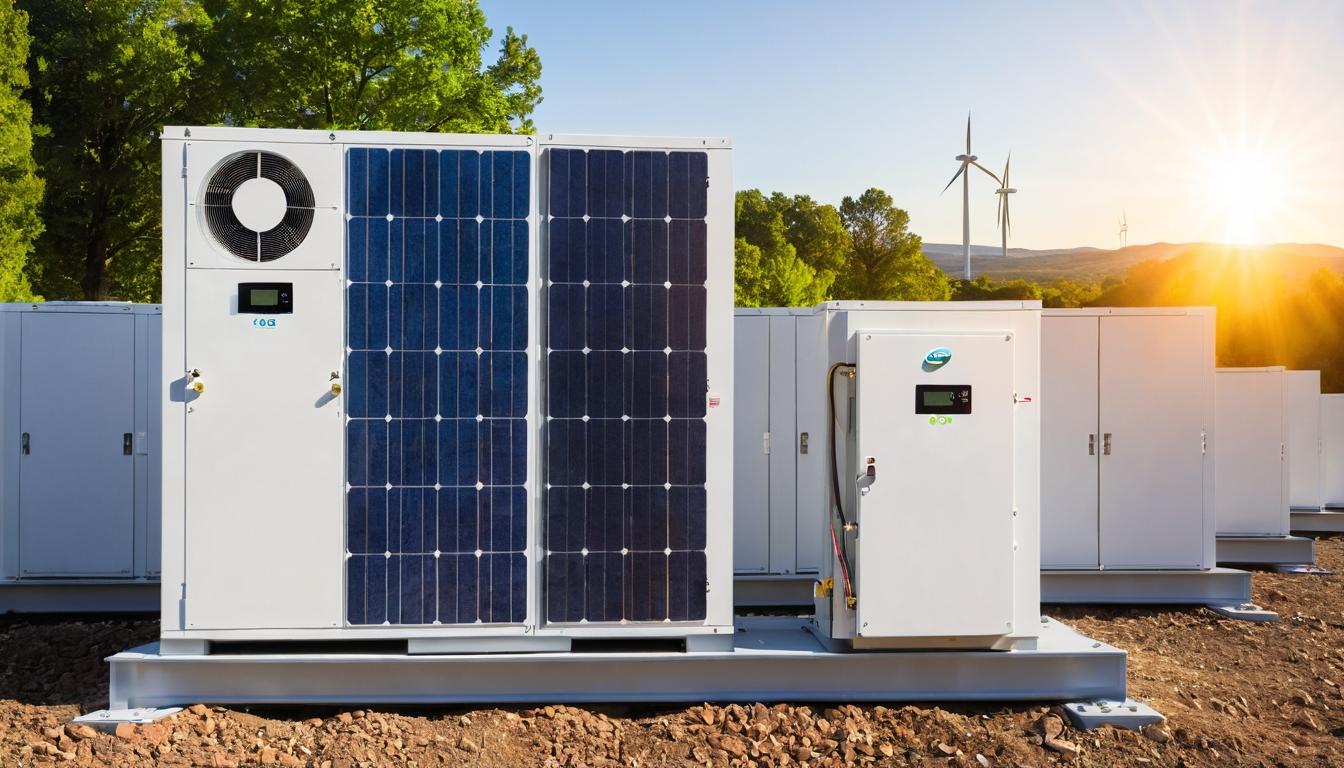
If you think your monthly electricity bill is just paying for the electrons powering your home, think again. You're actually funding a quiet war over America's energy soul—a conflict playing out in regulatory hearings, corporate boardrooms, and the very wires humming outside your window. While solar panels gleam on suburban rooftops and wind turbines spin majestically across the plains, a parallel universe exists where century-old utilities are fighting to preserve a business model that's increasingly at odds with the future.
Walk into any state public utility commission hearing, and you'll witness something remarkable: lawyers in expensive suits arguing over fractions of pennies per kilowatt-hour while the planet literally burns. These proceedings, dry as desert dust to most observers, determine whether your community gets cheaper solar or more expensive natural gas plants. The utilities' argument often boils down to a simple, compelling narrative: reliability requires centralization. But dig deeper, and you'll find something more complex—a system where shareholders profit from building infrastructure, regardless of whether that infrastructure serves tomorrow's needs.
Meanwhile, in neighborhoods from California to New York, something revolutionary is happening without anyone asking permission. Homeowners are installing batteries alongside their solar panels, creating what energy wonks call 'virtual power plants.' When the grid strains during heatwaves, these distributed systems can discharge stored energy, preventing blackouts and saving everyone money. Yet many utilities treat these citizen-energy producers not as partners but as threats to their revenue model. The result? Regulatory barriers that make going solar-and-storage feel like running an obstacle course designed by someone who profits from your failure.
Then there's the transmission problem—the great bottleneck of the energy transition. Renewable energy projects are ready to break ground from the windy plains of Texas to the sunny deserts of Nevada, but they can't connect to the grid. The queue for interconnection looks like the line for a popular nightclub, with projects waiting years just for permission to plug in. The irony is thick enough to cut with a knife: we have the technology to solve our energy and climate challenges, but we're stuck in bureaucratic molasses because our grid was designed for a different century.
Peek behind the curtain of utility planning documents, and you'll discover something curious: many companies are still betting big on natural gas. They're proposing new pipelines and power plants with 40-year lifespans, locking in emissions and costs decades into the future. Their economic models often assume renewable energy can't provide reliable power—an assumption that flies in the face of real-world data from places like South Australia, where renewables now provide the majority of electricity without compromising reliability. It's like watching someone insist the earth is flat while holding a globe.
The human dimension of this transition gets lost in the technical debates. In coal communities from Appalachia to the Powder River Basin, workers who powered America for generations face uncertain futures. The much-touted 'just transition' remains more slogan than reality in too many places. Meanwhile, in cities where air pollution from power plants contributes to asthma rates that would be scandalous if they affected wealthier neighborhoods, clean energy represents not just climate action but immediate public health improvement.
What's emerging from this messy, contradictory landscape is a new energy paradigm—one that's decentralized, digital, and democratized. Microgrids are keeping the lights on during wildfires and hurricanes while centralized systems fail. Blockchain-enabled energy trading lets neighbors sell solar power to each other. Artificial intelligence optimizes when to charge electric vehicles to align with renewable generation. The future isn't coming; it's already here in patches and pieces, waiting for the old system to get out of the way.
The question isn't whether we'll transition to clean energy—the economics have settled that debate. The real question is who will control it, who will benefit from it, and whether we'll move fast enough to matter. Your utility bill, that boring piece of paper you glance at each month, is actually a front-row ticket to the most important industrial transformation since electrification itself. The only question is whether you're paying for the past or investing in the future.
The hidden battle for America's energy future: Why your utility bill might be funding the past