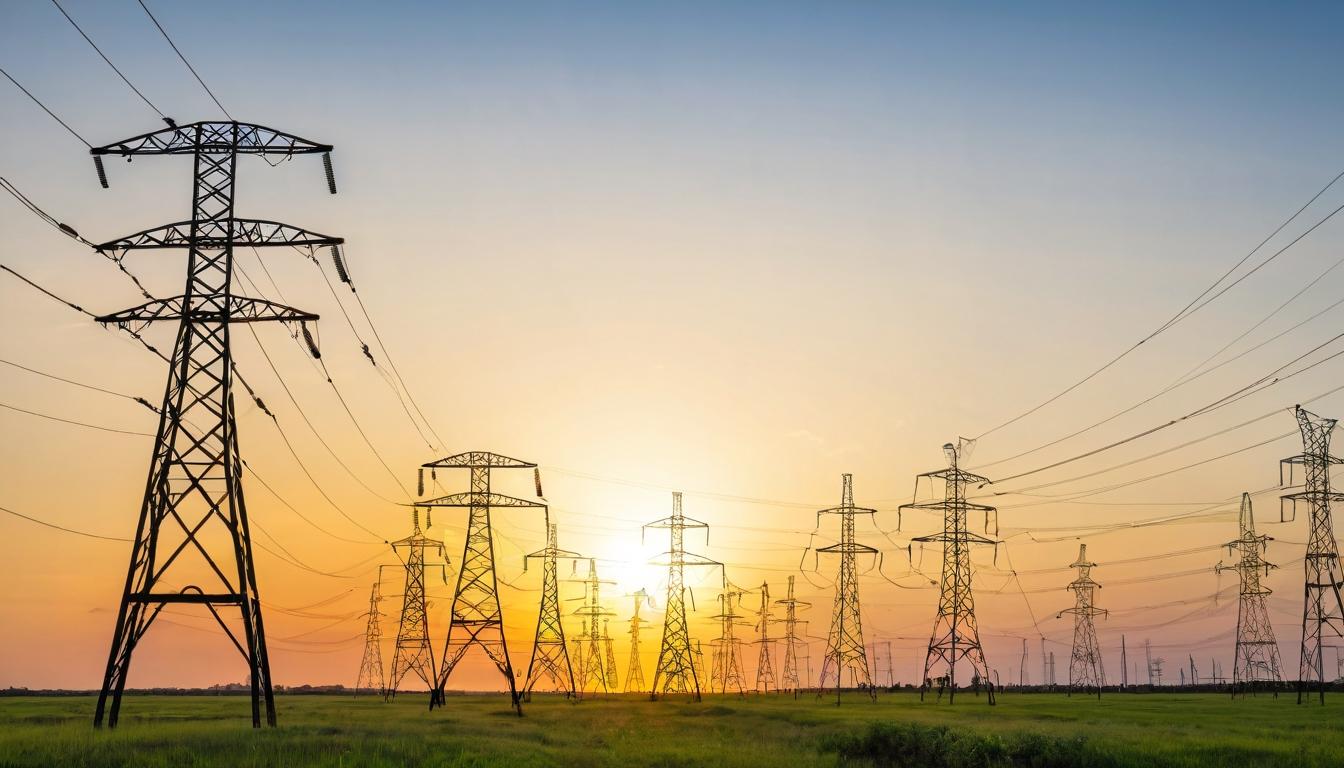
Beneath the soaring rhetoric about solar panels and wind turbines, a quieter, more consequential drama is unfolding across America's electrical grid. While renewable energy projects multiply like mushrooms after a rainstorm, the century-old transmission system that must carry this power remains stuck in an analog past. This isn't just an engineering problem—it's a political and economic quagmire that threatens to derail the entire energy transition.
Across the sun-drenched deserts of the Southwest, solar farms capable of powering entire cities sit partially idle, their electrons trapped in local grids like water behind a dam. In the gusty plains of the Midwest, wind turbines spin majestically while utilities pay them to stop producing because there's no way to get that power to the coastal cities that need it most. The bottleneck isn't technology or even money—it's a Byzantine regulatory system that treats electricity transmission as 50 separate fiefdoms rather than a national necessity.
What few Americans realize is that building a new transmission line now takes longer than it took to put a man on the moon. The average high-voltage project faces 10 years of permitting battles, legal challenges, and regulatory hurdles before the first pole is planted. Meanwhile, renewable projects that could replace fossil fuels wait in limbo, their environmental benefits deferred year after frustrating year.
This transmission crisis has created bizarre economic distortions that would make any free-market economist blush. In Texas, electricity prices occasionally drop below zero during windy nights—not because power has no value, but because the grid can't handle the surplus. In California, ratepayers spend billions on 'curtailment' payments to renewable generators, essentially paying them not to produce what they were built to produce. It's like building a highway system where you pay drivers to stay home because the roads can't handle traffic.
The human dimension of this infrastructure failure is equally troubling. In low-income neighborhoods from Baltimore to Detroit, aging distribution lines cause more frequent and longer-lasting outages, creating what energy justice advocates call 'reliability redlining.' While wealthy suburbs get smart grids and microgrids, these communities remain tethered to equipment that should have been retired during the Reagan administration.
Perhaps most surprisingly, the solution isn't primarily technological. We have the engineering know-how to build a modern grid—what we lack is the political will to overhaul a regulatory system designed for 20th-century monopolies. The Federal Energy Regulatory Commission's recent Order 1000 was supposed to fix this, but five years later, regional planning remains more theoretical than practical.
Some states are taking matters into their own hands. New York's 'REV' initiative and California's grid modernization efforts show what's possible when regulators think beyond traditional utility models. These experiments in grid democracy allow everything from rooftop solar to community batteries to participate in markets that were once exclusive clubs for massive power plants.
Meanwhile, a quiet revolution in grid-edge technologies offers a potential end-run around the transmission logjam. Advanced inverters, distributed energy resources, and virtual power plants are creating what some experts call a 'grid of grids'—a more resilient system that moves less power over shorter distances. It's not either-or with transmission lines, but both-and, creating multiple pathways to a cleaner energy future.
As climate change accelerates, making the grid both cleaner and more resilient isn't just an environmental imperative—it's becoming a national security priority. The same transmission bottlenecks that delay renewable integration also make the system vulnerable to extreme weather and cyberattacks. Every day we delay modernization, we're betting our energy future on infrastructure that our great-grandparents would recognize.
The ultimate irony? We're spending billions subsidizing clean energy generation while starving the system that must deliver it. Until we treat transmission with the same urgency as generation, the energy transition will remain a promise unfulfilled, with clean electrons trapped in local grids while fossil plants keep humming just over the horizon.
The hidden battle for America's grid: How outdated infrastructure is quietly sabotaging the clean energy revolution