If you've glanced at your electricity bill recently and noticed a slight uptick, you might have chalked it up to inflation or seasonal changes. But dig a little deeper, and you'll find a quiet revolution happening behind the scenes—one where utility companies are making billion-dollar bets that will determine how America powers itself for decades to come.
Across the country, from the sun-drenched deserts of Arizona to the windy plains of Texas, utilities are engaged in what industry insiders call "the great grid transformation." This isn't about flashy solar panels on suburban rooftops or the occasional wind farm you pass on the highway. This is about the fundamental architecture of how electricity flows from generation to your living room lamp—and who controls that flow.
What makes this moment particularly fascinating is the tension between two competing visions. On one side, traditional utilities are pushing for massive investments in grid modernization, often funded through rate increases that show up on your monthly statement. They argue these upgrades are essential for reliability as we add more renewable energy and electric vehicles to the system. On the other side, clean energy advocates and some state regulators question whether these investments serve customers or shareholders more effectively.
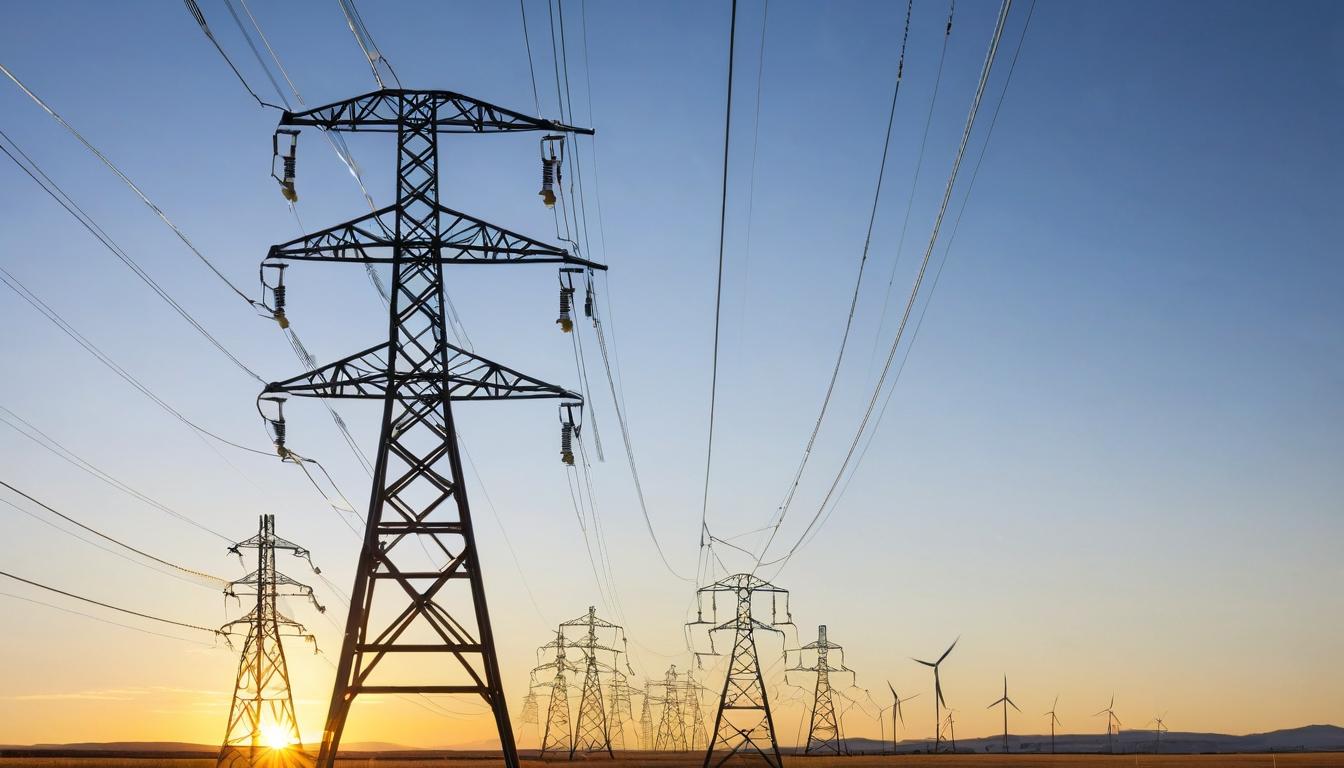
Take the case of transmission lines—those high-voltage arteries that carry electricity across states. Utilities are proposing hundreds of billions in new transmission projects, claiming they're necessary to connect remote renewable resources to population centers. But critics point to studies showing that distributed energy resources—like rooftop solar, community solar gardens, and battery storage—could meet much of our needs at lower cost and with greater resilience.
This isn't just an academic debate. In states like California and New York, utility proposals for grid investments have sparked fierce regulatory battles. Consumer advocates argue that utilities have inherent conflicts of interest—they profit from building more infrastructure, regardless of whether it's the most cost-effective solution for ratepayers. The result is a complex dance where every kilowatt-hour becomes a point of contention.
Meanwhile, technology is advancing faster than regulations can keep up. Smart inverters, advanced metering infrastructure, and artificial intelligence for grid management are creating possibilities that didn't exist five years ago. These technologies could theoretically allow for a more decentralized, resilient grid—but they also challenge the traditional utility business model built around centralized control.
What's often missing from this conversation is the human element. While utilities and regulators debate megawatts and rate of return, ordinary consumers are making decisions that collectively reshape the energy landscape. The family installing solar panels, the school district switching to electric buses, the manufacturer investing in on-site generation—these aren't just individual choices but votes for a particular energy future.
Perhaps most intriguing is how this plays out differently across the country. In Hawaii, where electricity costs are among the nation's highest, regulators have pushed aggressively toward distributed energy. In the Midwest, some utilities are embracing renewable energy faster than their coastal counterparts, seeing economic opportunity in the transition. And in the Southeast, the story is more complicated, with some utilities dragging their feet while others make surprising leaps forward.
What emerges from all this is a picture of an industry at a crossroads. The decisions being made today—about who pays for grid upgrades, how we value distributed energy, and what role utilities should play in a cleaner future—will echo for generations. They'll determine not just your power bill, but the very air we breathe and the economic opportunities available to our children.
The next time you flip a switch, remember: you're not just turning on a light. You're participating in one of the most consequential transformations in American infrastructure since the Rural Electrification Act brought power to farm country. The question is whether that transformation serves the public interest or merely perpetuates existing power structures—and the answer is being written right now, in regulatory filings most people never see.
The hidden battle over your power bill: How utilities are quietly reshaping America's energy future