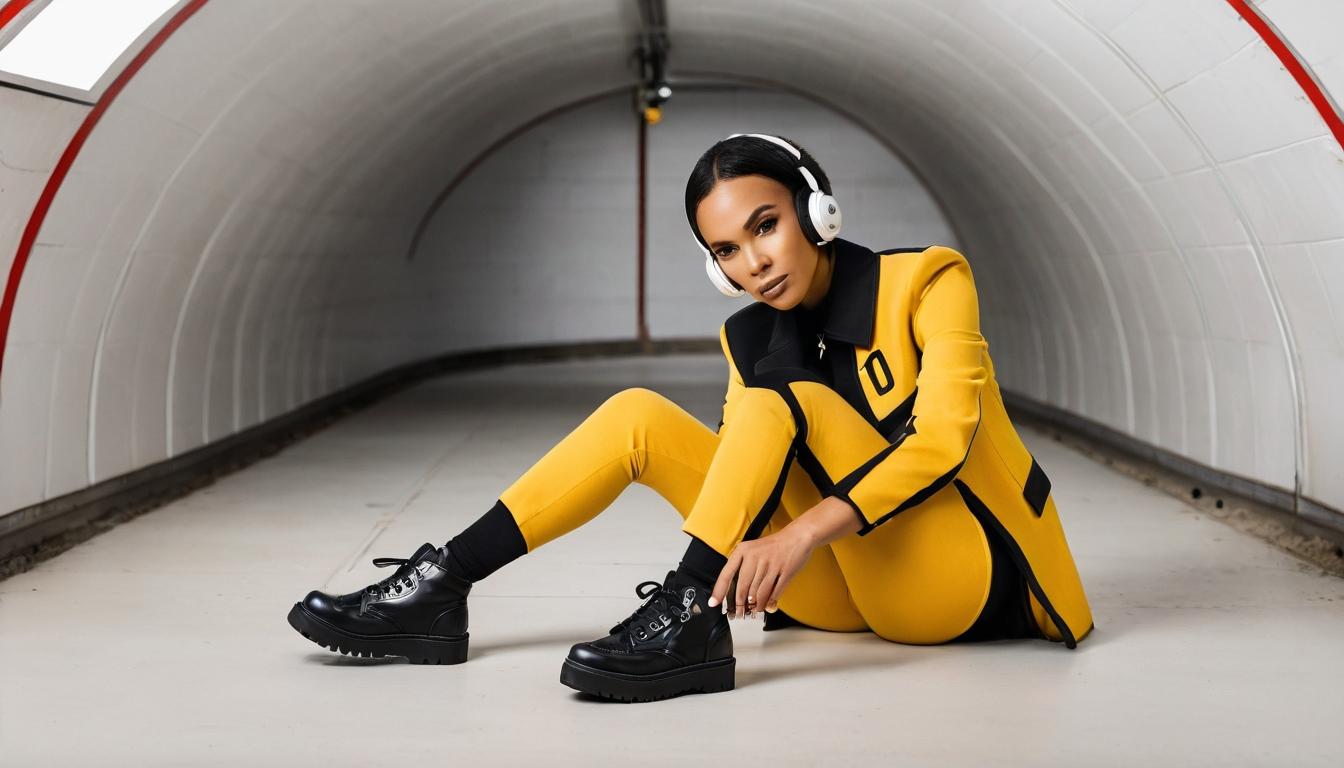
In a dimly backroom of a Parisian atelier, a needle drops on a vintage turntable. The crackle of vinyl fills the air before a bassline so deep it vibrates through the concrete floor. This isn't a secret rave—it's a fashion studio at 3 AM, where a designer is scoring their next collection not to classical symphonies or predictable playlists, but to the pulsing heart of underground electronic music. Across the industry, a quiet revolution is unfolding where the most avant-garde fashion houses are becoming the most influential curators of sound, creating cultural moments that resonate far beyond the runway.
While mainstream collaborations between pop stars and luxury brands dominate headlines—Beyoncé for Tiffany, Bad Bunny for Adidas—the real cultural alchemy is happening in the shadows. Independent designers like Martine Rose, Grace Wales Bonner, and Ludovic de Saint Sernin aren't just making clothes; they're building sonic worlds. Their shows feature emerging DJs and producers months before they hit festival stages, creating symbiotic relationships where fashion provides the platform and music provides the soul. Wales Bonner's recent London show featured a live performance by experimental musician Mica Levi, whose haunting compositions transformed the collection from mere garments into a fully immersive experience.
This isn't about slapping a musician's name on a t-shirt. It's about shared ethos. The minimalist aesthetic of Copenhagen's fashion scene finds its perfect counterpart in the sparse, atmospheric productions of artists like Smerz and CTM. The raw, DIY energy of Tokyo's streetwear underground mirrors the gritty sound of local collectives like BPM Tokyo. When these worlds collide authentically, they create something greater than the sum of their parts—a cultural moment that feels both inevitable and surprising.
Technology has democratized this relationship. Where once a designer needed label connections and expensive studio time to commission original music, now they can discover producers on SoundCloud, collaborate via WhatsApp, and premiere tracks during digital fashion weeks. The barrier between creator and curator has never been thinner. Brands like Alyx Studio regularly feature exclusive edits from underground producers in their lookbooks, while designers like Heron Preston have launched their own music labels alongside clothing lines.
But with this intimacy comes new challenges. As fashion mines underground scenes for authenticity, it risks gentrifying the very cultures it celebrates. The same electronic subgenres that soundtracked marginalized communities in Detroit, Chicago, and Berlin now provide ambiance for luxury retail spaces. The question becomes: who benefits when the underground goes mainstream? Some designers are addressing this directly—like Telfar, whose partnership with experimental musician Kelsey Lu included not just a performance but a discussion about creative ownership and cultural equity.
Perhaps most fascinating is how this relationship is reversing. Musicians aren't just inspiring designers—they're becoming them. From Pharrell's decades-long evolution from producer to Louis Vuitton's menswear creative director to emerging artists like Blood Orange's Dev Hynes launching his own label, the creative flow is now bidirectional. These artist-designers bring a performer's understanding of movement, texture, and audience connection that traditional fashion training often overlooks.
What emerges from this convergence isn't just better clothes or better music, but better culture. When a designer understands the physicality of dance music, they create garments that move with the body rather than restricting it. When a musician understands fabric and silhouette, they develop stage presence that's visually cohesive. The result are moments that feel complete—like the recent Loewe show where models walked to a specially commissioned piece by composer Oliver Coates, creating a rhythm so precise that clothing and sound seemed to breathe together.
As fashion weeks become increasingly homogenized and music festivals face criticism for lineup repetition, these underground partnerships offer something genuinely new. They're not following trends—they're creating ecosystems. The next cultural shift won't be announced in a press release or charting on Billboard. It'll be felt first in a basement studio where fabric meets frequency, where a seamstress's scissors keep time with a drum machine, where culture isn't consumed but built—one stitch and one beat at a time.
The underground sound: how fashion's quietest designers are scoring the loudest cultural moments