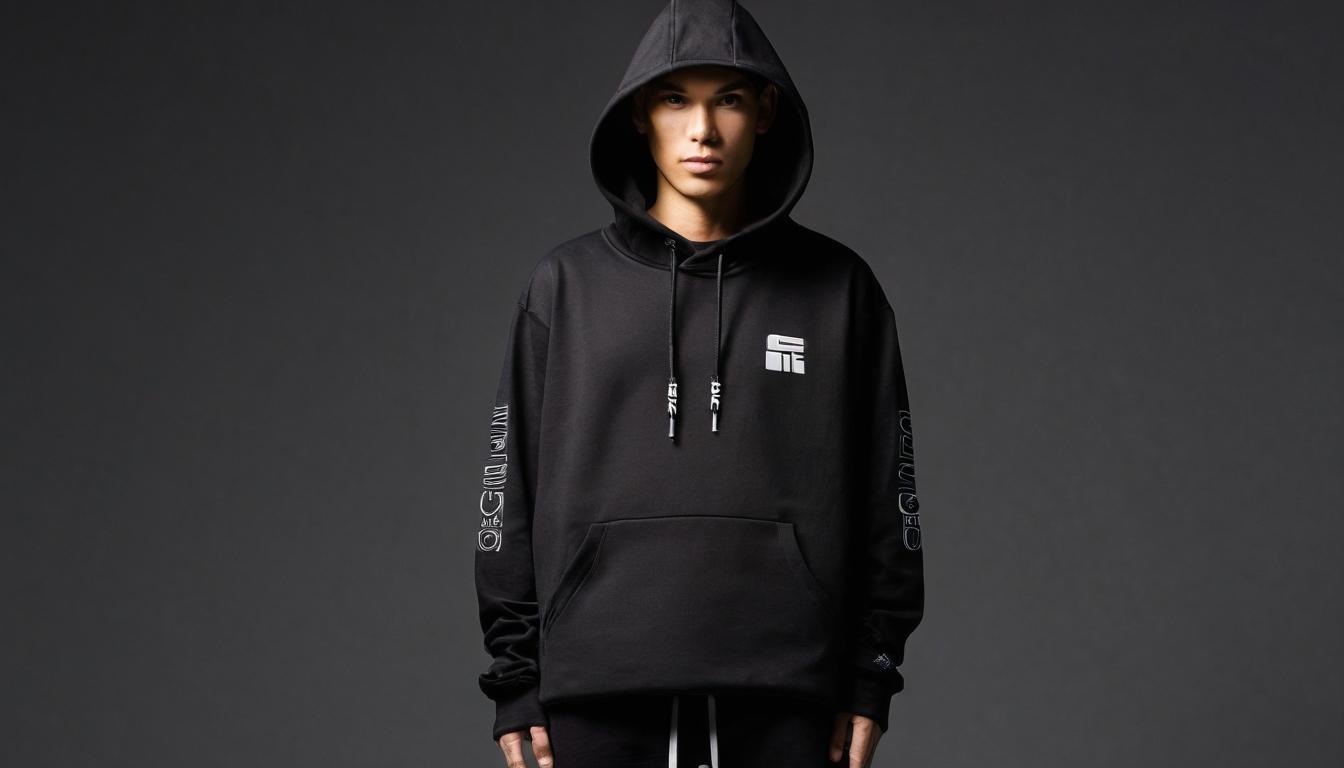
Walk into any underground venue from Tokyo to Berlin, and you'll notice something before the first bass note drops: the uniform. Not the stiff suits of classical concert halls or the glittery costumes of pop arenas, but a carefully curated uniform of technical fabrics, limited-edition sneakers, and garments that whisper rather than shout their provenance. This isn't accidental. We're witnessing a profound fusion where the ethos of streetwear—once fashion's rebellious child—is now dictating the rhythm of contemporary music, creating scenes that major labels can't manufacture and algorithms struggle to categorize.
This symbiosis began in plain sight but operated in the shadows. While Billboard charts tracked mainstream trajectories, collectives like London's NTS Radio or Seoul's Balming Tiger were building ecosystems where the clothing was as coded as the music. A graphic on a hoodie wasn't just branding; it was a map to a SoundCloud link, a ticket to a warehouse party, or a statement of allegiance to a sonic philosophy. The merchandise table became the new A&R scout, with artists like Virgil Abloh (rest in power) demonstrating that a creative director could wield as much cultural influence as a hitmaker, blurring the lines until they vanished entirely.
Dive deeper, and you find the economics are as disruptive as the aesthetics. Forget traditional record deals. Today's most intriguing artists are launching through capsule collections with niche brands. A limited-run track might drop exclusively with a collaborative T-shirt, creating scarcity that Spotify's infinite catalog can't replicate. This isn't just marketing; it's a new patronage system. Brands like A-Cold-Wall* or Brain Dead function as de facto labels, funding studio time and tours not for chart dominance, but for cultural credibility. The currency isn't platinum plaques—it's authenticity, traded in the underground markets of Depop and Grailed.
The sound itself has morphed to fit this sartorial landscape. The minimalist, atmospheric production dominating underground electronic and hip-hop scenes mirrors the sleek, functional design of techwear. The music is layered, textured, and often instrumental—meant for the backdrop of a curated life, just as the clothing is designed for urban survival. It's music for people who value discovery over algorithm-fed playlists, who find their next favorite artist not on a festival poster, but through the logo on a friend's jacket. This creates insular communities with their own slang, values, and hierarchies, largely invisible to the mainstream music press.
Yet, this underground isn't a monolith. In Seoul, the 'hype' around brands like Thisisneverthat syncs with a wave of indie R&B that's melancholic and introspective. In London, the rugged practicality of brands like Maharishi finds its audio counterpart in the dense, sample-heavy beats of the city's experimental drill scene. Each locale has developed its own dialect of this fashion-music language, making the global phenomenon intensely local at its core. The internet disseminates the aesthetics, but the scenes are rooted in physical spaces—specific stores, clubs, and streets.
What does this mean for the future? We're seeing the erosion of the old industry silos. The most compelling 'artists' emerging today are often polymaths: DJs who design apparel, producers who curate galleries, rappers who consult for sportswear giants. Their audience doesn't consume music or fashion in isolation; they consume a worldview. This integrated approach challenges every traditional metric of success. Streaming numbers become less relevant than the cultural ripple effect—when a brand's lookbook soundtrack goes viral, or an artist's personal style spawns a thousand Instagram homages.
This movement, thriving in the interzone between the websites of Hypebeast and the playlists of Complex, represents a quiet revolution. It's a rejection of mass-produced pop and fast fashion in one breath. It champions the niche, the tactile, and the authentic in a digital age. The kids aren't just alright—they're building a parallel culture where the drip is the soundtrack, and the beat is something you wear. To understand the next wave of music, you might just need to look at the tag inside your collar first.
The underground sound of streetwear: how fashion's rebels are rewriting music's rules