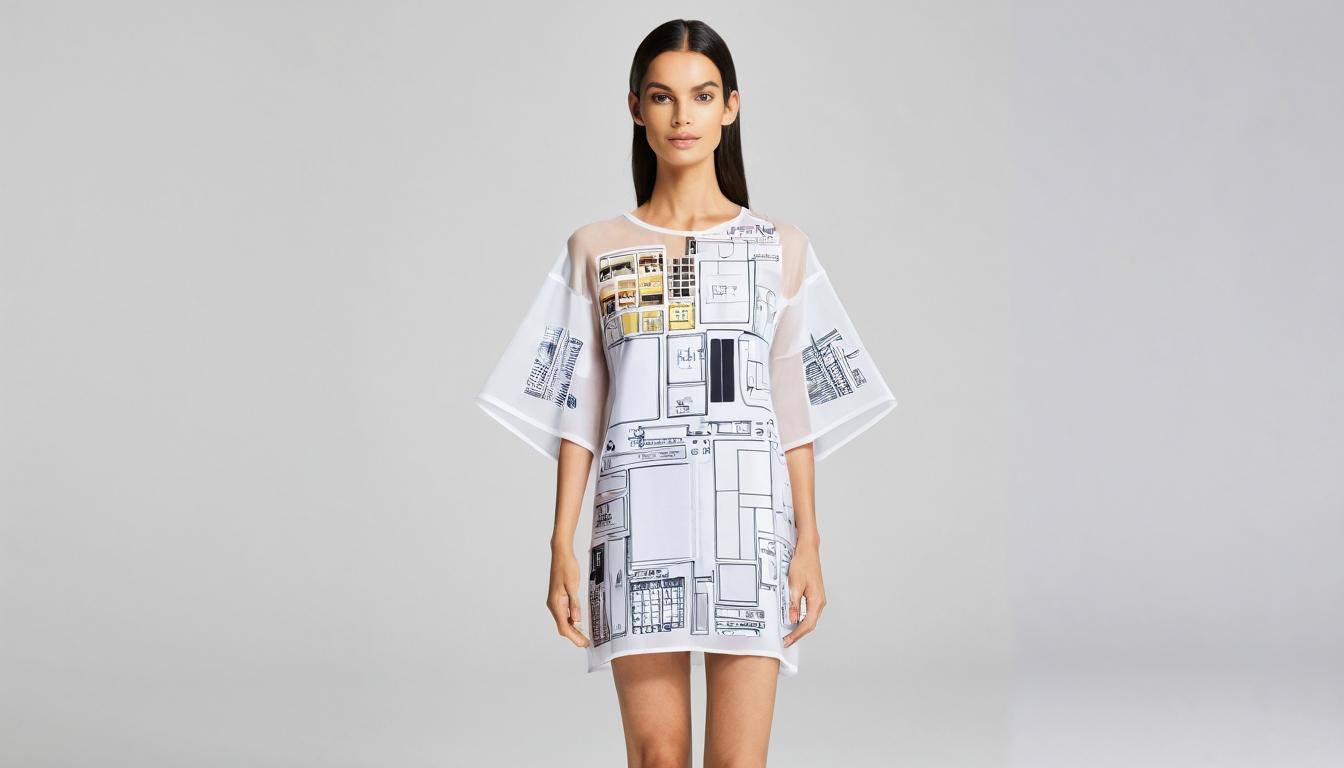
Walk into any major fashion retailer today and you'll encounter racks of clothing that feel strangely familiar yet subtly different. The cuts are precise, the fabrics innovative, but something in the creative DNA has shifted. What you're witnessing isn't just another seasonal trend—it's the quiet revolution of artificial intelligence in design studios from Milan to Manhattan. Algorithms now analyze decades of runway shows, social media trends, and sales data to generate thousands of designs in minutes, creating what industry insiders call "predictive fashion." The question haunting designers isn't whether AI will replace them, but whether they can maintain their creative voice in a system increasingly optimized for commercial success.
Behind this technological transformation lies a more troubling reality: fashion's supply chains remain shrouded in opacity. While brands tout sustainability initiatives with glossy marketing campaigns, tracing a garment's journey from raw material to retail rack remains nearly impossible for most companies. The truth is that many "ethical" collections exist alongside conventional lines that still rely on the same problematic factories and materials. This isn't hypocrisy—it's the uncomfortable reality of an industry built on layers of subcontractors, each adding another degree of separation between brand responsibility and production reality.
Meanwhile, a different kind of revolution is brewing in how we actually wear clothes. The rise of digital fashion—garments that exist only as digital assets for social media or virtual worlds—challenges our fundamental understanding of what clothing represents. For Gen Z consumers spending real money on virtual Gucci bags for their avatars, self-expression has decoupled from physical limitations. This isn't just play; it's creating entirely new economies where digital creators earn more than many physical garment workers, raising profound questions about value, labor, and what we consider "real" fashion.
Perhaps most surprisingly, the pandemic's remote work culture has permanently altered fashion's relationship with the body. After two years of sweatpants and Zoom-appropriate tops, consumers aren't simply returning to pre-pandemic dressing. Instead, they're demanding clothes that serve multiple functions—garments that feel luxurious but contain performance fabrics, pieces that work for both home and office, designs that prioritize comfort without sacrificing style. This functional revolution has forced even the most traditional houses to reconsider everything from tailoring to textile development.
What emerges from these parallel transformations is a fashion industry at a crossroads. The same technologies enabling unprecedented creativity and personalization also risk homogenizing design and obscuring ethical breaches. The digital spaces offering new forms of expression simultaneously challenge fashion's physical essence. As consumers, we're left navigating this complex landscape with more information than ever, yet less certainty about what truly constitutes progress. The future of fashion won't be decided in Parisian ateliers or Silicon Valley boardrooms alone, but in the daily choices of millions of people deciding what to wear—and what that choice means in an increasingly virtual, automated, and transparent world.
The invisible hands reshaping fashion: from AI design to supply chain secrets