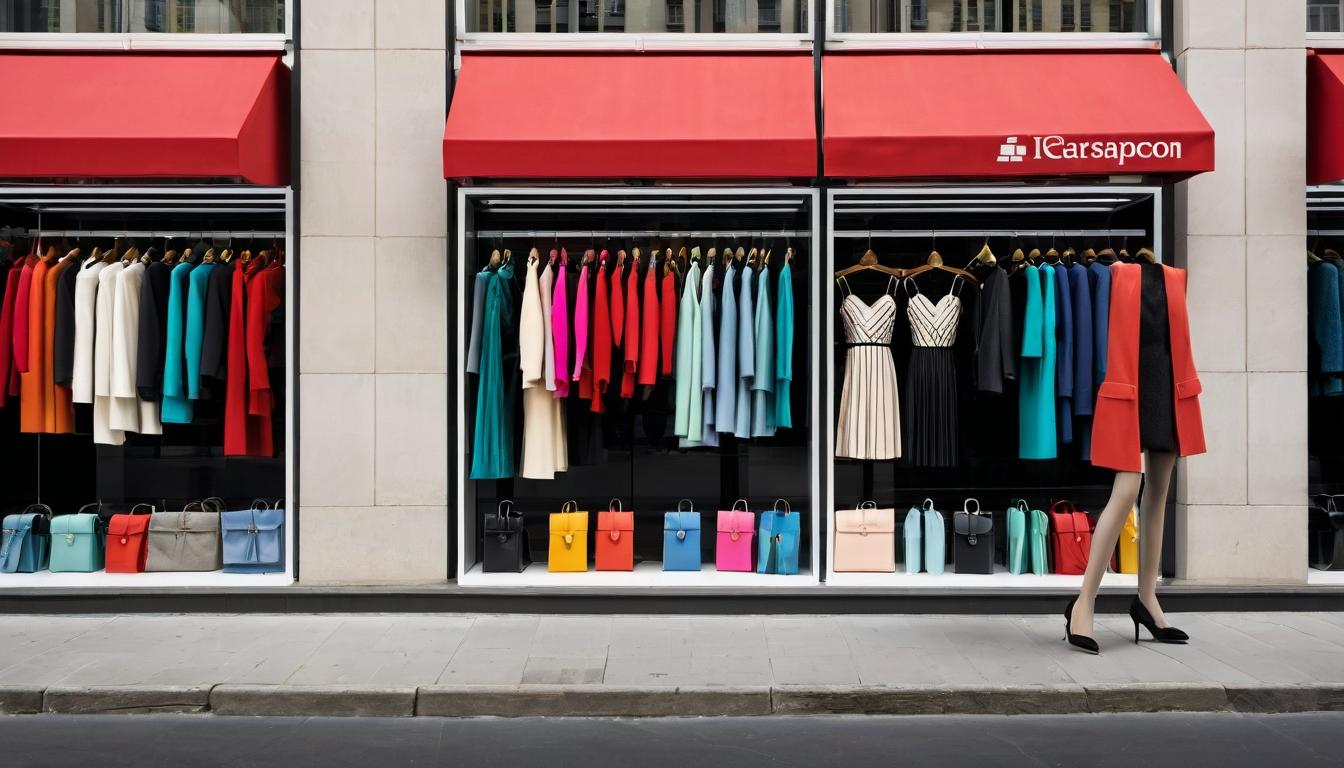
If you think fashion is just about hemlines and handbags, you're missing the real story. There's a quiet revolution happening behind the seams, one that doesn't make it to the runway shows or glossy magazine spreads. It's happening in boardrooms you've never heard of, in algorithms you can't see, and in supply chains that stretch across continents. This isn't about what's trending next season—it's about who's pulling the strings and why your closet looks the way it does.
Walk into any major retailer today and you'll find eerily similar collections. It's not coincidence—it's consolidation. Three companies now control nearly 70% of the global fashion market, a fact that would shock most consumers who believe they're making independent choices. These conglomerates operate like fashion cartels, quietly acquiring competitors and homogenizing aesthetics across price points. The result? A dangerous sameness that masquerades as choice while squeezing out true innovation.
Meanwhile, the data brokers are watching. Every click, every hover, every abandoned cart tells a story about your desires before you even know them yourself. Fashion tech companies have developed predictive algorithms so sophisticated they can forecast trends months before designers sketch their first lines. These digital crystal balls analyze social media sentiment, search patterns, and even weather forecasts to determine what colors will sell in Minneapolis versus Miami. The creative process has been quietly outsourced to machines that know us better than we know ourselves.
Sustainability has become the industry's favorite buzzword, but the reality is more complicated than bamboo fabrics and recycled polyester. The true environmental cost of fashion is hidden in plain sight—in the water-intensive cotton fields of drought-stricken regions, in the chemical runoff from dye houses that turns rivers technicolor, in the carbon footprint of garments that travel the globe multiple times before reaching store shelves. While brands tout their eco-friendly initiatives, the fundamental business model—produce more, sell more, discard more—remains unchanged.
Labor practices represent fashion's original sin, one that continues to haunt the industry despite decades of promises. The collapse of Rana Plaza was supposed to be a wake-up call, but the reality is that garment workers still earn poverty wages while risking their health in unsafe conditions. The new frontier of exploitation has moved online, where content creators and influencers work without contracts, benefits, or protections while generating billions in value for platforms and brands. The gig economy has come for fashion, dressing exploitation in the fashionable language of 'flexibility' and 'passion projects.'
Perhaps most insidious is fashion's psychological manipulation—the way it sells us not just clothes, but identities. Through carefully crafted narratives and aspirational imagery, brands convince us that purchasing their products will make us happier, more successful, more desirable. This emotional engineering is backed by neuroscience research and psychological profiling, creating what one industry insider called 'wearable therapy' for our deepest insecurities. The most successful collections aren't designed by stylists—they're engineered by behavioral psychologists.
Yet within this landscape of control, glimmers of resistance are emerging. Small designers are using blockchain to create transparent supply chains, collectives are forming to protect garment workers' rights, and consumers are increasingly questioning the stories they're being sold. The future of fashion won't be decided on runways or in boardrooms, but in the daily choices of people who are starting to see the strings behind the curtain.
What we wear has always been political, but now more than ever, it's a battleground between corporate control and individual expression, between data-driven prediction and human creativity, between exploitation and ethics. The clothes on your back tell a story—not just about your personal style, but about power, technology, and the invisible forces shaping our world. The question isn't what you'll wear tomorrow, but who you'll be wearing it for.
The invisible hands reshaping fashion: How unseen forces are changing what we wear