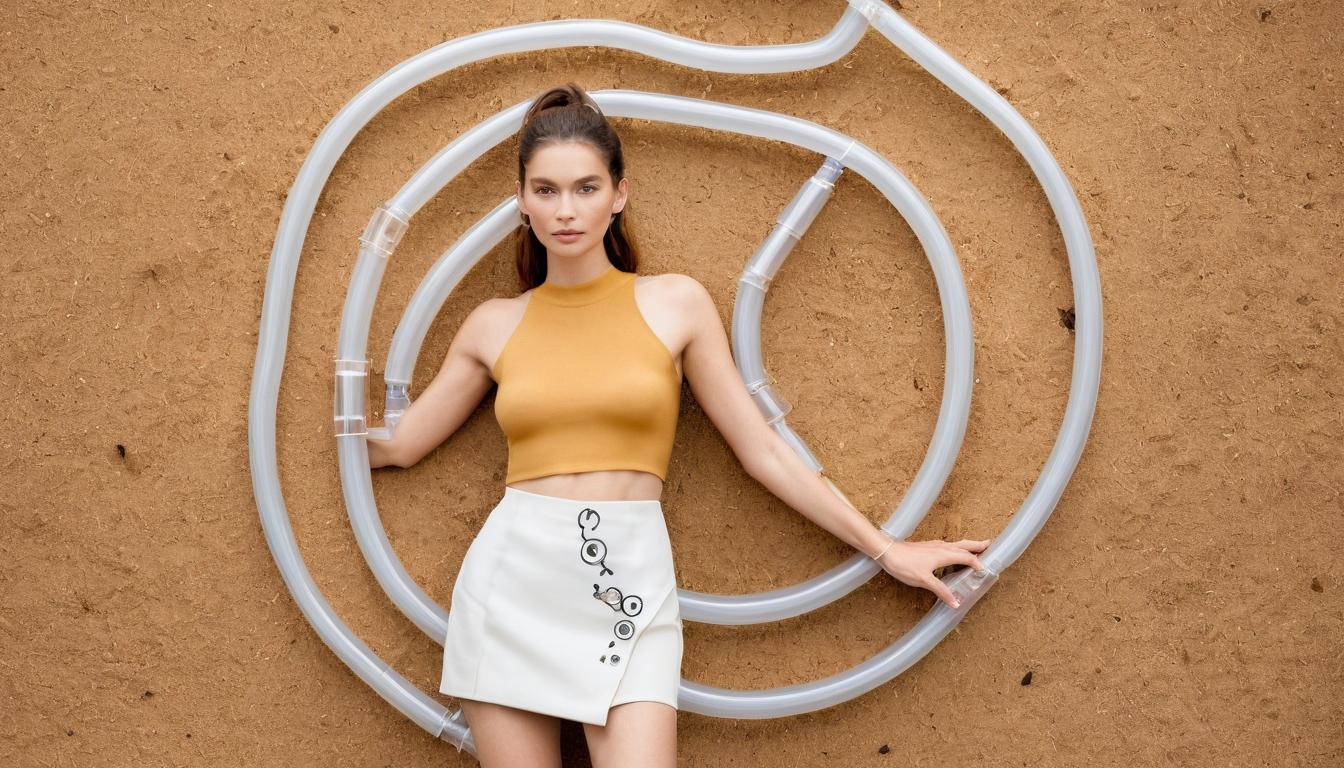
In the glossy pages of Vogue and Harper's Bazaar, sustainability has become the buzzword du jour. Every major fashion house now boasts an eco-conscious collection, and runway shows feature models draped in recycled fabrics. But if you peel back the velvet curtain of marketing campaigns and PR spin, you'll find a more complicated story—one where genuine progress moves at a glacial pace while greenwashing accelerates like a high-speed train.
Walk into any fast-fashion retailer, and you'll still see mountains of polyester blends destined for landfill after a single season. According to Fashionista's investigative reports, less than 1% of clothing is actually recycled into new garments. The rest? It's shipped to developing countries where it clogs rivers and burns in open pits, a dirty secret the industry prefers to keep off Instagram.
Yet something interesting is happening in the shadows. While mainstream brands play catch-up, a network of small designers, thrift-store entrepreneurs, and fabric scientists are building alternatives from the ground up. The Cut recently profiled a Brooklyn-based designer who creates couture from discarded fishing nets, while Refinery29 highlighted a Los Angeles collective turning post-consumer denim into limited-edition art pieces. These aren't vanity projects—they're viable businesses attracting serious investment.
What makes this movement different from previous eco-fashion waves? Technology and transparency. Blockchain is being used to trace cotton from field to hanger, while apps allow consumers to scan QR codes and see exactly how much water was saved in production. ELLE's tech columnists have documented how these tools are shifting power from corporate boardrooms to conscious shoppers who demand proof, not promises.
But the most radical change might be psychological. For decades, fashion sold us perpetual newness—the idea that last season's jacket was inherently inferior to this season's. Now, platforms are celebrating the art of rewearing, mending, and customizing. TikTok tailors have become celebrities, teaching millions how to transform outdated pieces into personalized treasures. This isn't anti-fashion; it's fashion reimagined as a relationship rather than a transaction.
The industry's response has been telling. Luxury brands that once guarded their exclusivity now launch repair programs and resale platforms. As one anonymous executive told Harper's Bazaar, "We realized our customers weren't asking for permission to be sustainable—they were doing it with or without us." The question is no longer whether fashion will become sustainable, but which companies will survive the transition.
Look beyond the headlines about bamboo fabrics and carbon-neutral shipping, and you'll find the real story in supply chain logistics, chemical engineering labs, and community-led repair cafes. The future of fashion isn't being written in Paris or Milan alone—it's being stitched together in Bangalore's textile recycling facilities, Detroit's upcycling workshops, and Stockholm's circular design institutes.
This quiet revolution carries an uncomfortable truth: sustainability requires less, not more. Less production, less consumption, less waste. It demands we value craftsmanship over convenience and longevity over novelty. For an industry built on selling dreams of endless abundance, that's the most radical redesign of all.
The quiet rebellion of sustainable fashion: how real change happens beyond the runway