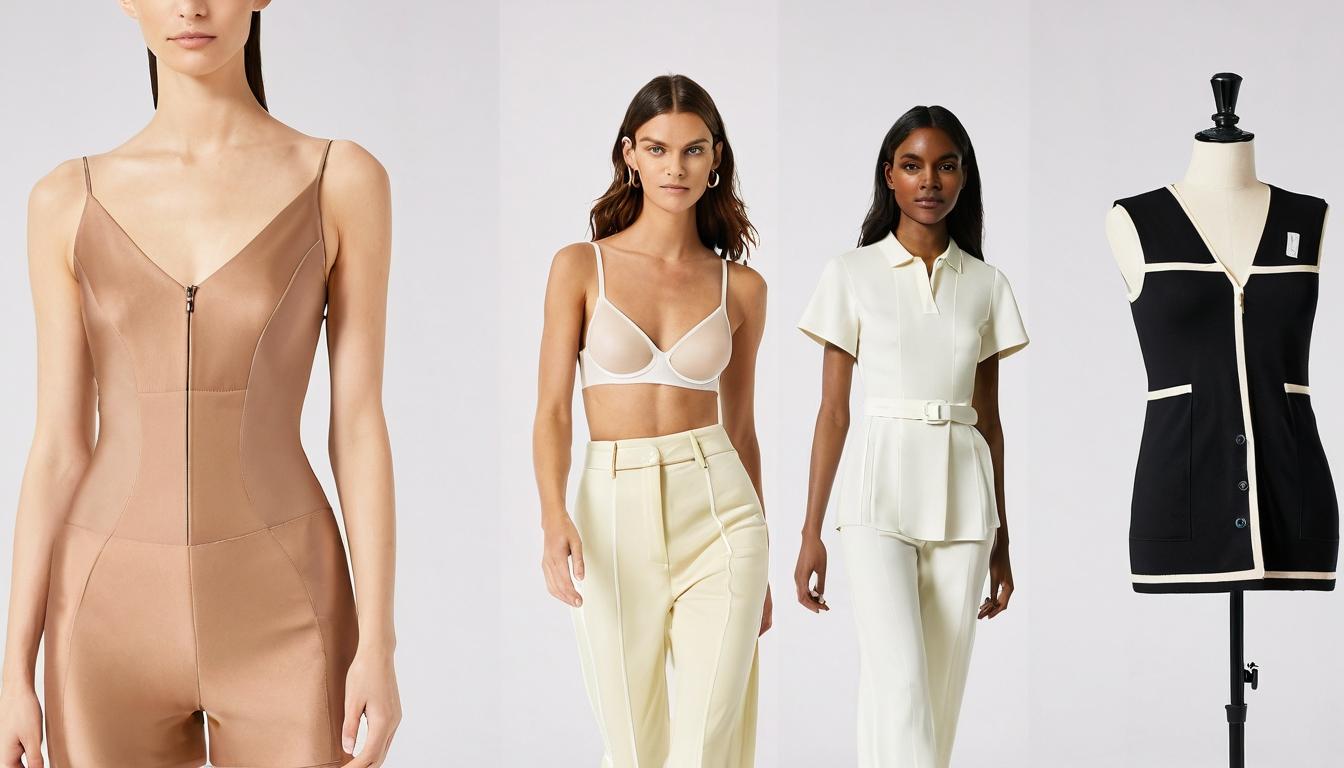
In the hushed corridors of Milan's fashion week, a subtle shift is occurring. It's not in the bold prints or dramatic silhouettes, but in the whispered conversations between buyers and designers about traceability, circularity, and carbon footprints. While fast fashion continues its relentless churn, a parallel movement is gaining momentum—one that questions not just what we wear, but why we wear it, and at what cost to our planet and its people.
For years, sustainability was fashion's awkward cousin—invited to the party but relegated to the corner with a recycled tote bag and some hemp fabric samples. Today, it's becoming the conversation starter. From Stella McCartney's mushroom leather to Gabriela Hearst's carbon-neutral shows, the industry's most influential voices are redefining luxury as something that doesn't come with environmental guilt. But this isn't just about high-end designers making ethical choices; it's about a fundamental reimagining of value in an industry built on disposability.
What's particularly fascinating is how this movement is playing out across different market segments. On one end, you have luxury houses investing in regenerative agriculture for their wool and cotton supplies. On the other, direct-to-consumer brands like Reformation and Everlane are building their entire identities around transparency, showing consumers exactly how much water was saved or carbon emissions avoided with each purchase. Meanwhile, resale platforms like The RealReal and Vestiaire Collective are turning secondhand shopping from a thrifty alternative into a status symbol, with waitlists for pre-owned designer pieces sometimes rivaling those for new collections.
Yet beneath this progress lies a more complicated truth: the fashion industry remains one of the world's largest polluters, responsible for up to 10% of global carbon emissions. The very structure of seasonal collections and constant newness works against sustainability goals. Some critics argue that 'conscious collections' and capsule wardrobes are merely greenwashing—a way for brands to appear responsible while continuing business as usual with their main lines. The uncomfortable question persists: Can an industry built on convincing us we need new things every few months ever truly be sustainable?
The answer might lie in changing not just what we produce, but how we think about clothing altogether. In Tokyo, a growing community of 'menders' is elevating repair to an art form, with visible stitching becoming a badge of honor rather than a sign of wear. In London, clothing rental services are moving beyond special occasions to everyday wardrobes, challenging the notion that we need to own everything we wear. And in New York, legislative efforts are pushing for greater accountability, with proposed laws that would require brands to disclose their environmental impact and labor practices.
Perhaps most revolutionary is the changing consumer mindset. Where once sustainability meant sacrifice—scratchy organic cotton, beige everything, higher prices—today's conscious fashion is increasingly desirable on its own terms. Vintage shopping has become a treasure hunt, repair workshops offer community connection, and investment pieces tell stories beyond their labels. The most stylish people aren't necessarily those with the newest items, but those who wear their values as confidently as they wear their clothes.
This quiet rebellion extends beyond environmental concerns to encompass social justice. The same consumers asking about a garment's carbon footprint are increasingly asking who made it and under what conditions. The Rana Plaza factory collapse in 2013 was a wake-up call that exposed the human cost of cheap fashion, and while progress has been slow, transparency initiatives are making it harder for brands to hide their supply chains. Worker-led movements like the PayUp campaign have successfully pressured brands to pay for orders completed before the pandemic, proving that consumer pressure can create tangible change.
The path forward isn't about perfection—it's about progress. It's about celebrating the small designers using deadstock fabric, the major brands setting science-based emissions targets, and the consumers asking questions before they click 'buy.' It's recognizing that sustainability isn't a trend to be mined for marketing, but a necessary evolution of an industry at a crossroads. As climate change accelerates and social inequalities persist, fashion finds itself with a unique opportunity: to transform from a symbol of excess to a catalyst for change, one thoughtful garment at a time.
What emerges is a more nuanced relationship with clothing—one where value is measured not just in price tags, but in craftsmanship, longevity, and ethical integrity. The most exciting developments aren't on the runways, but in the laboratories developing new materials, the factories implementing fair wages, and the closets where people are choosing quality over quantity. This isn't the end of fashion as we know it, but perhaps the beginning of fashion as it should be: beautiful, expressive, and responsible.
The quiet rebellion of sustainable fashion: Why conscious consumption is reshaping the industry