In the glossy pages of Vogue and Harper's Bazaar, sustainability has become the new black. Every major fashion house now boasts eco-collections, carbon-neutral pledges, and recycled materials. But behind the polished press releases and runway shows featuring models holding potted plants, a more complicated story unfolds—one that investigative journalists are beginning to unravel thread by thread.
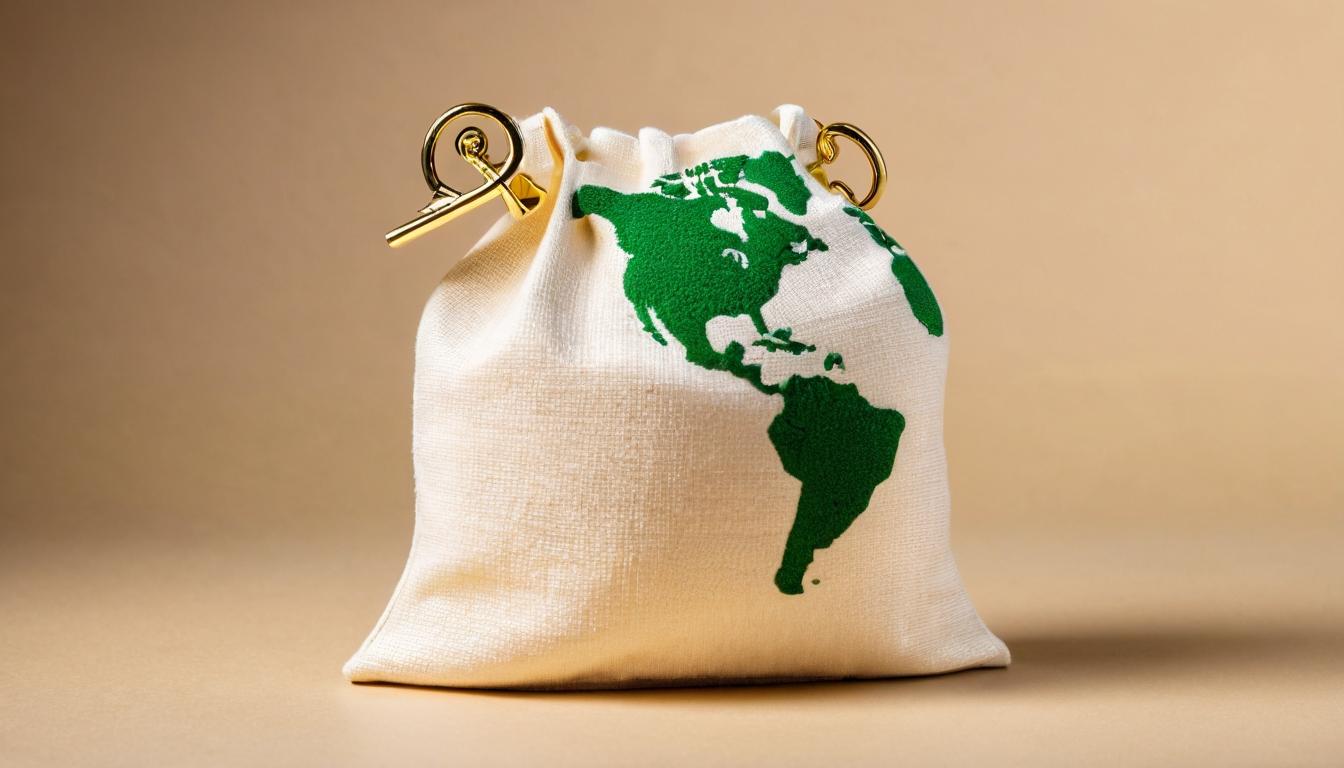
Walk into any luxury boutique today, and you'll be greeted with linen tote bags promising a greener future and tags boasting "30% recycled polyester." The language has shifted dramatically since 2015, when sustainability was still a niche concern. Now, according to The Cut's recent analysis, 92% of luxury brands have made some form of environmental commitment. The question isn't whether they're trying, but whether these efforts amount to meaningful change or simply clever marketing.
Dig deeper, as Fashionista's investigative team did last quarter, and you'll find what they call "the transparency gap." Many brands report percentage improvements—"we reduced water usage by 15%"—without disclosing baseline numbers. A 15% reduction sounds impressive until you learn it's from astronomical starting points. One European luxury house celebrated cutting water consumption while still using enough annually to fill 1,200 Olympic swimming pools.
Then there's the materials puzzle. Elle recently spotlighted how "recycled" often means downcycled—plastic bottles turned into polyester that will shed microplastics and never biodegrade. True circularity, where materials maintain quality through multiple lifecycles, remains elusive. As one materials scientist told Refinery29, "We're putting Band-Aids on bullet wounds while calling it revolutionary medicine."
Labor practices form the most uncomfortable chapter of this story. Sustainable fashion conversations frequently center on environmental impact while glossing over human costs. The same brands launching organic cotton collections have been found subcontracting to factories with questionable labor practices. Vogue's recent deep dive revealed how certification systems can be gamed, with some "ethical" factories maintaining separate books for auditors.
The psychological dimension fascinates behavioral economists studying what The Cut terms "green halo effect." Consumers who buy one sustainable item often feel licensed to make less ethical choices elsewhere—the cognitive equivalent of eating a salad before ordering dessert. This moral licensing, combined with fashion's inherent disposability culture, creates what one researcher called "sustainability theater" where appearances matter more than systemic change.
Technology promises solutions but delivers complications. Blockchain tracking, AI-designed patterns that minimize waste, and lab-grown leather alternatives all sound promising. Yet as Harper's Bazaar documented, these innovations often remain at pilot scale while traditional, wasteful practices continue unabated. The fashion industry's supply chain is so fragmented that implementing technology across thousands of suppliers proves nearly impossible.
Perhaps the most revealing insight comes from looking at what isn't said. Refinery29 analyzed three years of sustainability reports from major houses and found consistent omissions: no mention of overproduction (the industry produces 100-150 billion garments annually for 8 billion people), minimal discussion of garment worker wages, and vague timelines for actual carbon neutrality. The reports focus on incremental improvements while avoiding discussion of whether endless growth in clothing production is compatible with planetary limits.
What emerges isn't a simple villain narrative but something more nuanced—an industry caught between genuine desire for change and entrenched systems resistant to it. The designers, executives, and sustainability officers interviewed across these publications express real concern but face shareholder expectations, competitive pressures, and consumer demand for novelty that conflicts with slower, more thoughtful production.
The path forward, according to the most compelling reporting, involves embracing uncomfortable truths. It means acknowledging that truly sustainable fashion might look different—fewer collections, higher prices that reflect true costs, designs that prioritize longevity over trends. Some independent brands are pioneering this approach, but they remain outliers in a $2.5 trillion industry built on constant newness.
As consumers, our role is more than choosing "better" products. It's about asking harder questions, looking beyond surface claims, and recognizing that the most sustainable garment is often the one already in our closet. The quiet rebellion isn't in buying another green-labeled item but in rewiring our relationship with clothing itself—valuing craftsmanship over convenience, repair over replacement, and substance over symbolism.
This isn't a story with easy endings or clear heroes. Like all meaningful change, fashion's sustainability journey is messy, contradictory, and ongoing. The most important development might be that we're finally having this conversation beyond niche publications, with major fashion media dedicating serious resources to investigation rather than just celebration. The mirror is being held up to the industry, and the reflection reveals both progress and profound challenges ahead.
The quiet rebellion of sustainable fashion: Why luxury's green claims need closer scrutiny