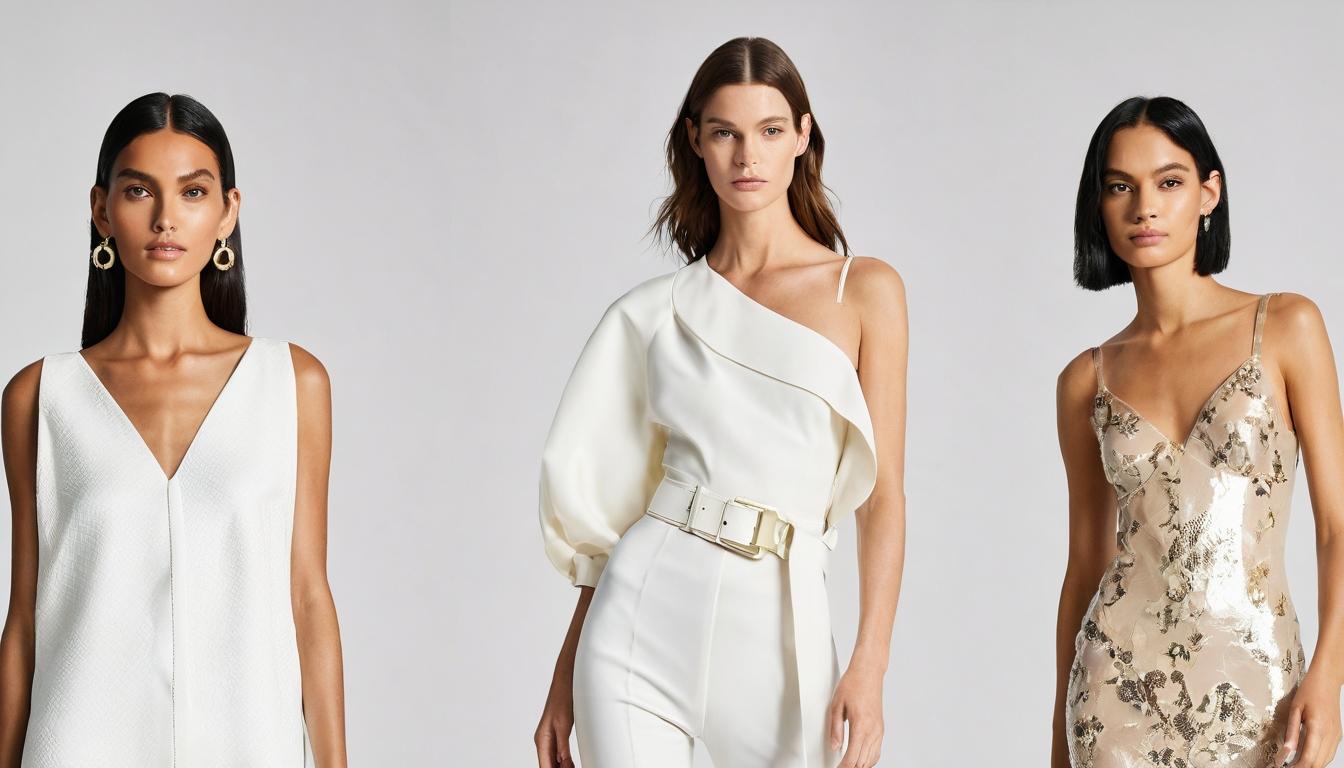
The polished marble floors of Milan's fashion district echo with more than just the click of stiletto heels these days. Beneath the surface glamour of runway shows and exclusive ateliers, a tectonic shift is occurring—one that challenges the very foundations of what luxury means in the 21st century. This isn't about hemlines or color palettes; it's about values, transparency, and a growing realization that true elegance can no longer ignore its environmental footprint.
Walk into any high-end boutique, and you'll notice the subtle changes. The once-ubiquitous plastic garment bags are disappearing, replaced by reusable fabric alternatives. Sales associates now speak knowledgeably about recycled materials and ethical supply chains, topics that would have been dismissed as irrelevant just a decade ago. This transformation isn't driven by regulatory pressure alone; it's being demanded by a new generation of consumers who view their purchases as extensions of their values.
What makes this movement particularly fascinating is how it's redefining luxury itself. For centuries, exclusivity meant rarity—limited quantities, inaccessible price points, and materials sourced from distant, mysterious locations. Today, the most coveted items are those with stories: a dress made from regenerated ocean plastic, shoes crafted from apple leather, or a handbag produced in a factory that provides living wages and healthcare. The new luxury isn't about what you exclude others from having; it's about what you include in your ethical framework.
Behind the scenes, fashion houses are undergoing what can only be described as forensic self-examination. Traceability has become the new watchword, with brands investing in blockchain technology to track materials from source to store. This isn't mere marketing; it's a response to consumers who increasingly ask not just "how does it look?" but "where did it come from?" and "who made it?" The answers to these questions are becoming as important as the designs themselves.
The most progressive labels are embracing circularity—designing clothes with their entire lifecycle in mind. This means creating garments that can be easily repaired, resold, or recycled rather than discarded. Some are even experimenting with rental models for their highest-end pieces, challenging the notion that ownership equals status. In this new paradigm, access and experience are becoming as valuable as possession.
Yet for all this progress, significant challenges remain. Greenwashing—the practice of making misleading sustainability claims—remains rampant, with vague terms like "eco-friendly" and "conscious" often lacking substantiation. The industry still struggles with overproduction, with millions of unsold garments ending up in landfills or incinerators each year. And the tension between seasonal collections and timeless sustainability continues to create contradictions that even the most well-intentioned brands haven't fully resolved.
What's emerging from this complex landscape is something genuinely new: a luxury fashion industry that's learning to balance artistry with accountability. The most compelling collections today aren't just visually stunning; they're intellectually and ethically coherent. They tell stories not just about the designer's vision, but about the materials' origins, the artisans' skills, and the garment's potential future lives.
This quiet revolution suggests a fundamental reimagining of what fashion can be. No longer just a reflection of personal style, it's becoming a statement of planetary citizenship. The most forward-thinking designers understand that true innovation now means creating beauty that doesn't come at the expense of people or the planet. In this new era, the most luxurious item you can own isn't the rarest or most expensive—it's the one that aligns most completely with the world you want to help create.
The change is still unfolding, often in fits and starts, with contradictions and compromises along the way. But the direction is clear: fashion is developing a conscience, and in doing so, it's discovering new forms of creativity, new definitions of quality, and new ways to matter in a world that desperately needs industries to lead rather than follow. The revolution may be quiet, but its implications are anything but subtle.
The quiet revolution: how sustainable fashion is rewriting the rules of luxury