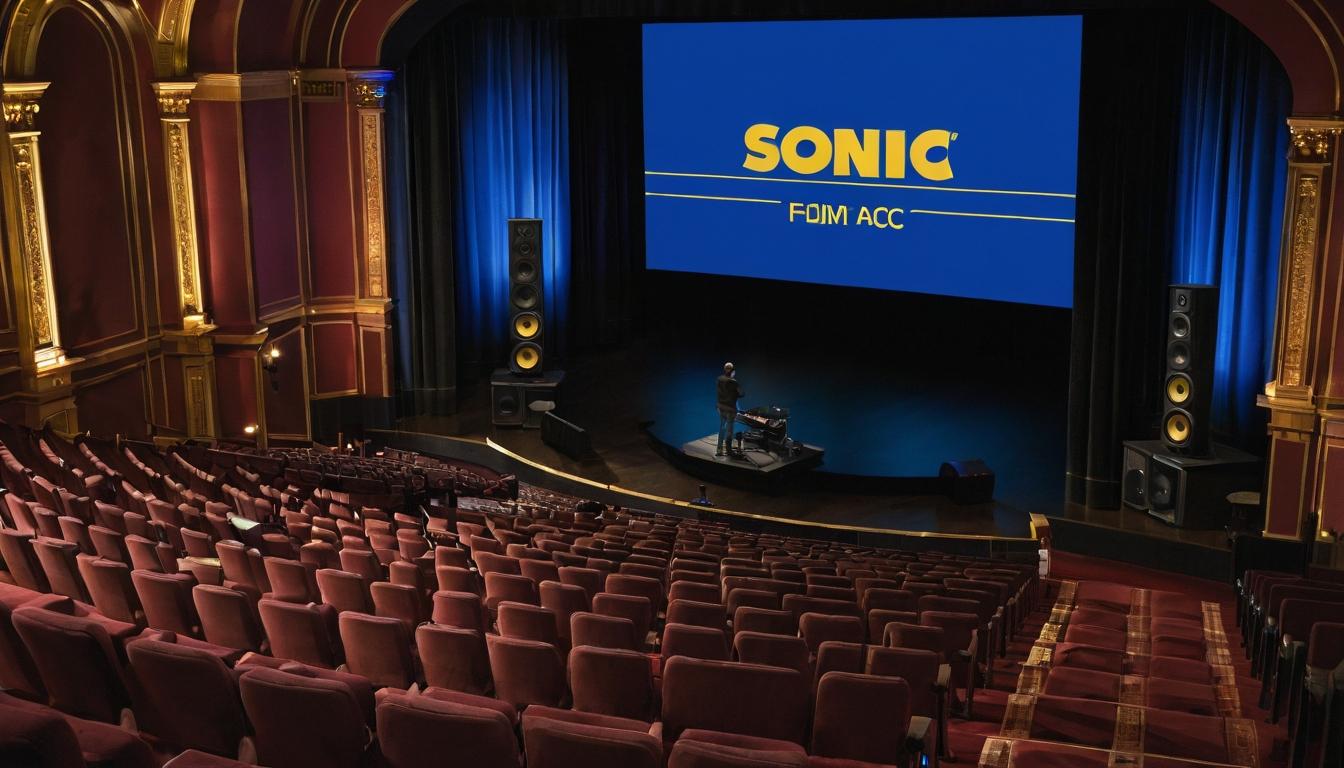
In a dimly lit studio in Los Angeles, a composer stares at a blank screen, fingers hovering over a keyboard. The scene they're scoring shows a quiet conversation between two characters, but the director wants something unexpected—not the usual swelling strings or melancholic piano. This moment captures the quiet revolution happening in film music today, where streaming platforms and changing audience expectations are forcing composers to rethink everything they know about scoring movies.
While film music websites like Film Music Magazine and Film Score Monthly have long celebrated the grand orchestral traditions of John Williams and Hans Zimmer, a new generation of composers is quietly breaking rules. They're blending electronic textures with acoustic instruments, using silence as powerfully as sound, and creating scores that feel more like characters than background music. The shift isn't just artistic—it's economic. With streaming services demanding content at unprecedented rates, composers are working faster, with smaller budgets, yet somehow producing some of the most innovative work in decades.
Consider the curious case of streaming-first films. Unlike theatrical releases where sound design can be meticulously controlled, streaming viewers might watch on phones, tablets, or through mediocre speakers. Composers like Nicholas Britell (Succession) and Cristobal Tapia de Veer (The White Lotus) have responded by creating scores that work on multiple listening levels—sophisticated enough for audiophiles with home theaters, yet distinctive enough to cut through laptop speakers. This technical challenge has sparked creative solutions, from emphasizing mid-range frequencies to creating memorable melodic hooks that survive audio compression.
Meanwhile, the very definition of 'film music' is expanding. Video game composers are crossing over to cinema, bringing interactive scoring techniques. Pop artists like Trent Reznor and Atticus Ross have reimagined what a film score can sound like, while classical composers like Hildur Guðnadóttir (Joker) are bringing concert hall sensibilities to mainstream films. This cross-pollination is creating hybrid scores that defy categorization—part sound design, part music, part psychological manipulation.
Perhaps most surprisingly, the business of film music is transforming faster than the art itself. Royalty structures designed for theatrical releases are collapsing under streaming's weight, forcing organizations like The Society of Composers & Lyricists to advocate for new compensation models. Yet amidst these challenges, composers are finding unexpected opportunities. Limited series allow for musical development over hours instead of minutes. International streaming services are commissioning locally-inflected scores that might never have found funding in the traditional studio system.
What emerges from conversations with working composers is a portrait of an art form in flux—not declining, but diversifying. The next generation isn't waiting for the phone to ring from Hollywood studios. They're building home studios, collaborating remotely with filmmakers across continents, and sometimes releasing scores independently before the film even finds distribution. In this new landscape, the most successful composers aren't just musicians—they're entrepreneurs, sound designers, and cultural synthesizers.
The revolution isn't loud. You won't hear it in bombastic fanfares or trailer-ready crescendos. It's in the subtle use of prepared piano in a quiet drama, the integration of field recordings into a documentary score, the way a composer like Emile Mosseri (Minari) can make a simple melody feel both nostalgic and utterly new. As one composer told me, 'We're not just writing music for pictures anymore. We're building sonic worlds that have to survive being played through earbuds during someone's commute, then hopefully haunt them enough that they'll listen properly later.'
This is film music's awkward, exciting adolescence—no longer just supporting visuals, but claiming equal narrative importance. The tools have democratized (anyone with a laptop can score a film), the distribution channels have multiplied, and the audience has become more musically literate than ever before. The result? We're living through a golden age of film scoring that looks nothing like the golden ages that came before it. The unsung heroes are finally stepping into the spotlight, and they're bringing strange, beautiful new sounds with them.
The unsung heroes: how film composers are reinventing movie music in the streaming era