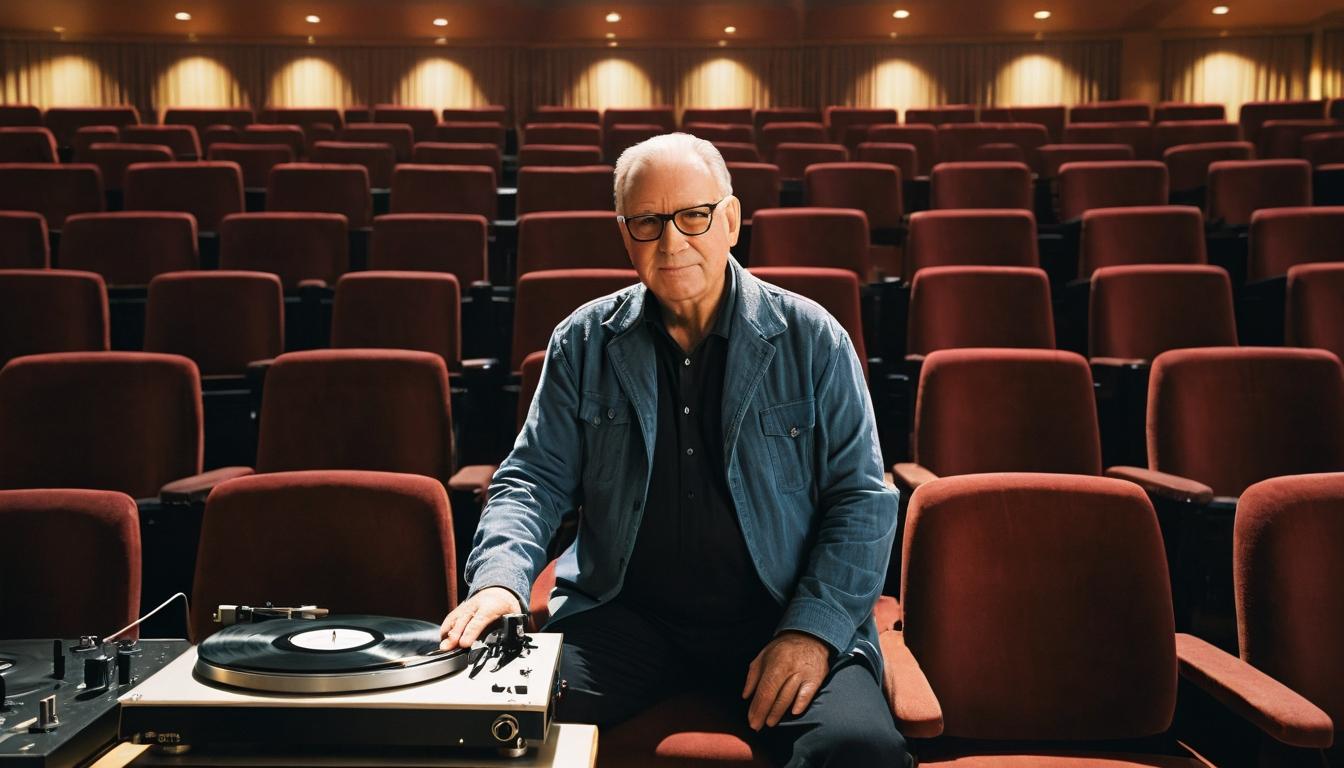
In the dimly lit corners of scoring stages across Los Angeles, a quiet revolution is unfolding. While audiences fixate on dazzling visuals and A-list actors, a new generation of film composers is fundamentally reshaping how we experience cinema through sound. These aren't your grandfather's orchestral maestros conducting from podiums—they're sonic architects blending ancient instruments with cutting-edge technology, creating emotional landscapes that linger long after credits roll.
Take the curious case of modular synthesizers making unexpected comebacks in prestige dramas. What began as niche experimentation in sci-fi has infiltrated historical epics and intimate character studies. Composers like Hildur Guðnadóttir demonstrated with 'Joker' how a cello's mournful cry could become a character's fractured psyche, while Nicholas Britell's socially conscious scores for 'Succession' and 'If Beale Street Could Talk' reveal how musical motifs can articulate systemic injustice without a single line of dialogue.
Meanwhile, streaming platforms have become unlikely laboratories for sonic innovation. Netflix's global reach has created unprecedented demand for culturally authentic scores, leading to fascinating collaborations between Western composers and traditional musicians from Nigeria to Indonesia. The result? Soundtracks that don't just accompany stories but carry entire cultural histories within their melodies. This globalization of film scoring represents perhaps the most significant shift since the golden age of Hollywood orchestras.
Yet beneath these artistic breakthroughs lies an industry grappling with profound changes. The rise of AI-generated music poses existential questions about originality and authorship. Some composers whisper about algorithms that can mimic John Williams' style with unsettling accuracy, while others embrace AI as a collaborative tool for exploring uncharted sonic territories. The tension between technological possibility and artistic integrity creates fascinating fault lines throughout the composing community.
Equally compelling is the evolving relationship between composers and directors. Gone are the days when filmmakers simply handed over a locked picture and expected magic. Today's most memorable scores emerge from deep, sometimes contentious creative partnerships that begin in pre-production. Composers now regularly visit sets, study costume designs, and participate in script discussions—transforming from service providers to essential storytelling collaborators.
Perhaps most surprisingly, film music is experiencing a renaissance in public consciousness. Vinyl soundtrack sales have surged 400% over the past decade, while dedicated streaming playlists attract millions of monthly listeners. This isn't just nostalgia—it's evidence that audiences increasingly recognize film scores as standalone art forms. Concert halls that once exclusively featured classical repertoire now regularly host live-to-picture performances of film scores, complete with roaring crowds who know every musical cue.
The business side reveals equally dramatic shifts. Royalty structures established in the analog era are crumbling under digital distribution models, prompting composers to become savvy entrepreneurs. Many now retain publishing rights, launch their own labels, and cultivate direct relationships with fans through Patreon and social media. This financial empowerment allows for riskier creative choices that ultimately benefit the art form.
Looking forward, the most exciting developments may come from unexpected intersections. Video game composers are bringing interactive scoring techniques to linear narratives, while virtual reality experiences demand entirely new approaches to spatial sound. The boundary between diegetic music (heard by characters) and non-diegetic music (heard only by audiences) is blurring in fascinating ways, creating immersive experiences that challenge traditional film scoring conventions.
What emerges from this complex landscape is clear: film composers are no longer background figures but central creative forces. They're cultural anthropologists preserving endangered musical traditions, technological pioneers charting new auditory frontiers, and emotional guides helping audiences navigate increasingly complex narratives. Their work reminds us that cinema isn't just a visual medium—it's an emotional experience where sound often speaks louder than images.
As one veteran composer recently confessed over coffee in Burbank: 'We're not writing music for films anymore. We're building emotional architectures that allow stories to live in people's memories.' That architectural revolution, quietly unfolding in studios and scoring stages worldwide, may ultimately prove more transformative for cinema than any camera innovation or streaming disruption. The ears, it seems, are having their moment.
The unsung heroes: How film composers are rewriting Hollywood's sound rules