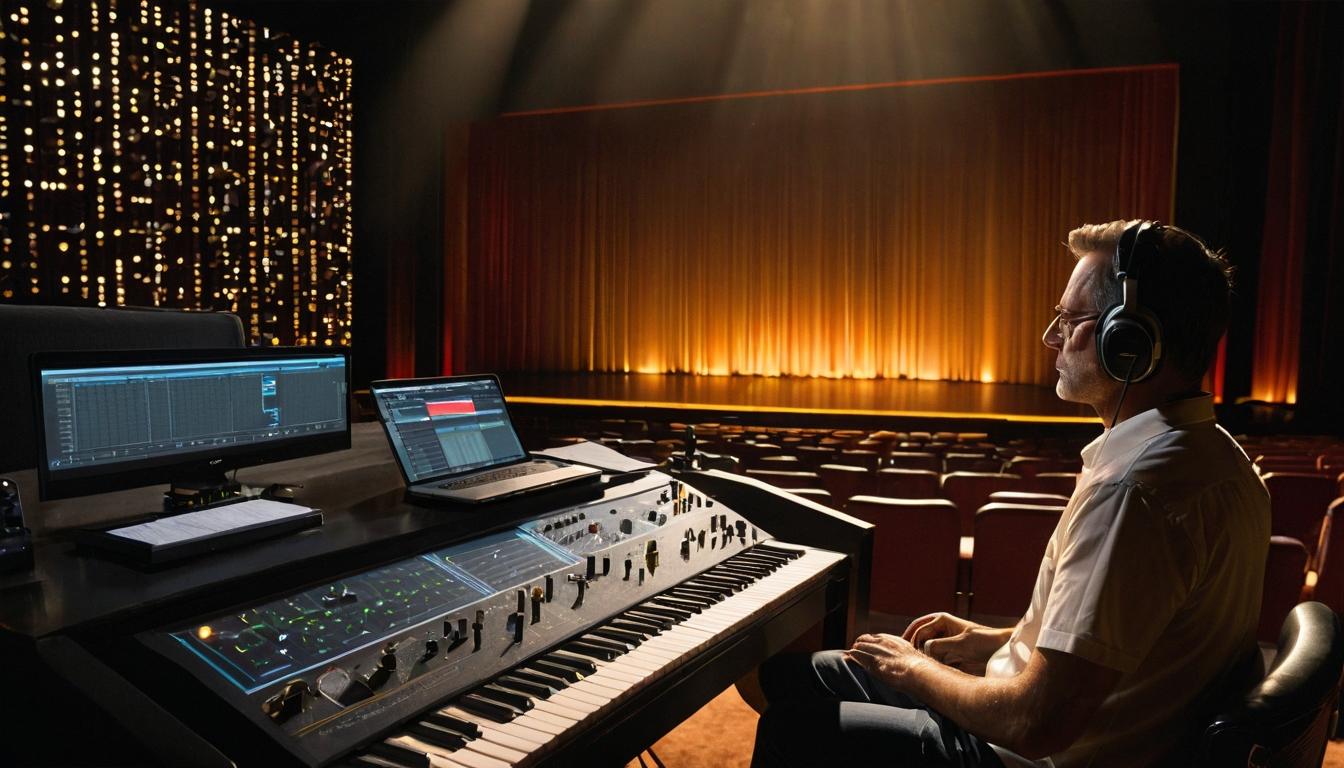
While audiences fixate on box office numbers and star-studded premieres, a quiet revolution has been brewing in Hollywood's scoring stages. The traditional model of film music—where a single composer delivers a sweeping orchestral score months before release—is crumbling beneath the weight of streaming deadlines, algorithmic pressures, and a new generation of filmmakers who treat soundtracks as narrative weapons rather than decorative afterthoughts.
Walk onto any major studio lot today, and you'll find composers working in ways that would baffle their predecessors. They're not just writing themes; they're building sonic ecosystems. Take the recent phenomenon of 'modular scoring,' where composers create hundreds of interchangeable musical fragments that editors can rearrange during post-production. It's assembly-line creativity, born from Netflix's infamous 'turnaround tyranny' that demands fully-scored episodes mere days after picture lock.
This industrial shift has sparked fierce debate in composer communities. Veterans lament the loss of the 'golden age' approach, where Bernard Herrmann could spend months crafting Psycho's iconic shower scene strings. Yet emerging composers argue they're pioneering a new artistry—one that embraces collaboration over authorship. 'We're not just writing music anymore,' explains rising composer Lili Haydn, whose work blends AI-generated textures with live orchestra. 'We're designing emotional architectures that can adapt to last-minute edits without losing their soul.'
The real battleground isn't in scoring stages but in executive suites, where data scientists now influence musical choices. Streaming platforms track exactly when viewers skip title sequences, creating pressure for 'instant engagement' scores that hook audiences within seconds. This has spawned the 'micro-leitmotif'—three-note identifiers for characters that register subconsciously before the first line of dialogue. It's musical branding, and it's changing how stories unfold.
Perhaps most surprisingly, this revolution is being documented not by trade publications but through composer-run podcasts and Discord servers. In these digital backchannels, professionals share workarounds for impossible deadlines and dissect the sonic strategies of recent hits. They've created a shadow curriculum that bypasses traditional film schools, complete with shared sample libraries and crowdsourced solutions to common scoring problems.
Yet for all this innovation, a troubling pattern emerges: composers are working more for less. The average scoring timeline has shrunk from twelve weeks to three, while budgets have stagnated despite inflation. This has led to what industry watchers call 'ghost scoring'—teams of uncredited assistants handling up to 70% of a famous composer's output. It's Hollywood's open secret, protected by NDAs and the persistent myth of the solitary genius.
The future may lie in hybrid models already emerging overseas. Korean drama composers, facing even tighter schedules, have perfected 'live-to-picture' sessions where musicians improvise to edited scenes, capturing spontaneous emotion impossible through meticulous notation. Meanwhile, European art-house filmmakers are reviving silent film traditions, commissioning scores before shooting begins so cinematography can dance to existing music.
What's clear is that film music's revolution remains largely invisible to audiences, who still imagine composers working alone in candlelit studios. The reality is more collaborative, more technological, and more ruthless—a reflection of Hollywood's broader transformation. As one composer anonymously confessed on a film music forum: 'We're not artists anymore; we're emotional engineers. But maybe we always were.'
The true test will come when these behind-the-scenes changes finally surface in what audiences hear. Will scores become homogenized products of algorithmic pressure, or will composers weaponize these new tools to create previously unimaginable sonic worlds? The answer is being written now, not in press releases, but in the frantic, brilliant work happening between midnight and dawn on scoring stages across Los Angeles.
The unsung revolution: how film composers are quietly rewriting Hollywood's rulebook