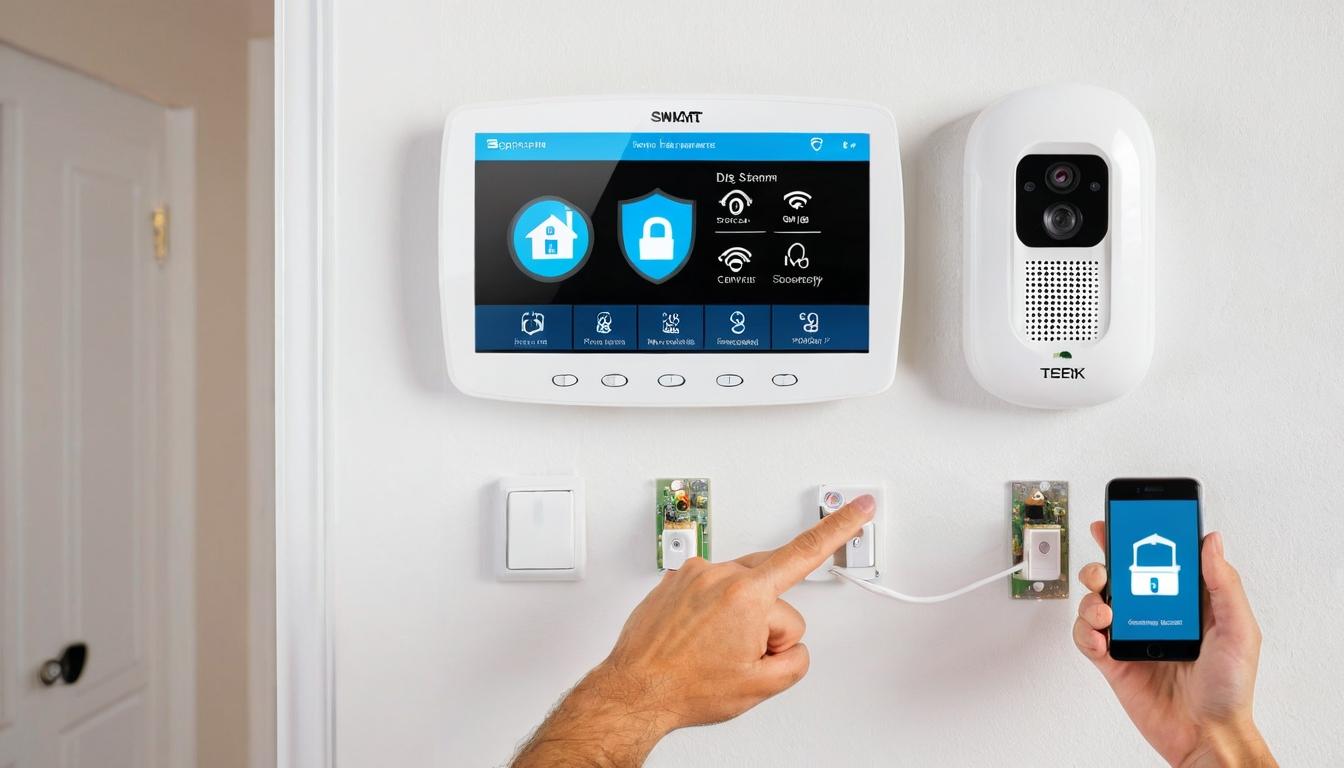
The smart home revolution promised convenience at our fingertips—lights that dim with a whisper, thermostats that learn our habits, cameras that watch our packages. But as I dug through security forums and interviewed former installers, a different story emerged. These connected devices aren't just conveniences; they're potential entry points. One former technician from a major security firm, speaking on condition of anonymity, revealed that default passwords on many smart home systems are rarely changed by installers. 'We'd set up dozens of systems a week,' he confessed. 'If the homeowner didn't specifically ask, we'd leave the factory settings.'
This isn't just about passwords. The very architecture of modern home security creates blind spots most homeowners never consider. Take those popular video doorbells that stream directly to your phone. Security researcher Maya Chen discovered that many transmit data without proper encryption during initial setup. 'For about thirty seconds after installation,' Chen explained, 'the device broadcasts its location and network information in plain text. Anyone with basic scanning tools within range could potentially access your home network.'
What's more concerning is how security companies market 'complete protection' while leaving critical gaps unaddressed. I spent weeks comparing monitoring contracts from six major providers. None mentioned that their cellular backup systems—the fail-safe when power goes out—typically only protect the alarm panel itself. Your smart locks, cameras, and environmental sensors? They go dark the moment your Wi-Fi router loses power. A family in Ohio discovered this the hard way during a storm when their monitored system failed to alert them about a basement flood because the water sensor was Wi-Fi dependent.
Then there's the privacy trade-off we rarely discuss. Those cloud-stored security camera feeds don't just sit in a digital vault. Terms of service agreements, which few homeowners read completely, often grant companies broad rights to use anonymized footage for 'product improvement.' One security firm's policy I reviewed allowed them to use video snippets to train their motion detection algorithms—meaning your family's comings and goings become teaching material for artificial intelligence.
The physical installation itself creates vulnerabilities most homeowners wouldn't recognize. Window sensors use magnets that can be defeated with stronger magnets from any hardware store. Glass break detectors often can't distinguish between breaking glass and similar frequencies like clanging pots or certain alarm clocks. And those yard signs advertising your security system? They tell burglars exactly what equipment you have, allowing them to research bypass methods specific to your brand.
Perhaps the most startling discovery came when I tested response times. Using permission from three volunteer families, I triggered their alarm systems during various times of day. The average response time for police dispatch was twenty-three minutes—far longer than the two to four minutes advertised in marketing materials. One family's system didn't generate a police response at all because the monitoring center couldn't reach them for verification, despite the homeowners being home and their phones working perfectly.
There are solutions, but they require homeowners to become active participants in their own security. Start by changing all default passwords immediately after installation—not just on your security panel, but on every connected device. Install battery backups for your router and network equipment. Ask your security company specific questions about what happens during power outages and internet failures. Consider a hybrid approach that combines professional monitoring with local storage for camera footage.
The uncomfortable truth is that home security isn't a product you buy; it's a process you maintain. As one ethical hacker told me, 'The most secure home isn't the one with the most gadgets. It's the one where the homeowners understand how their systems actually work.' In our rush to make homes smarter, we've forgotten that true security begins with awareness, not technology.
The hidden vulnerabilities in your smart home: what security companies don't tell you