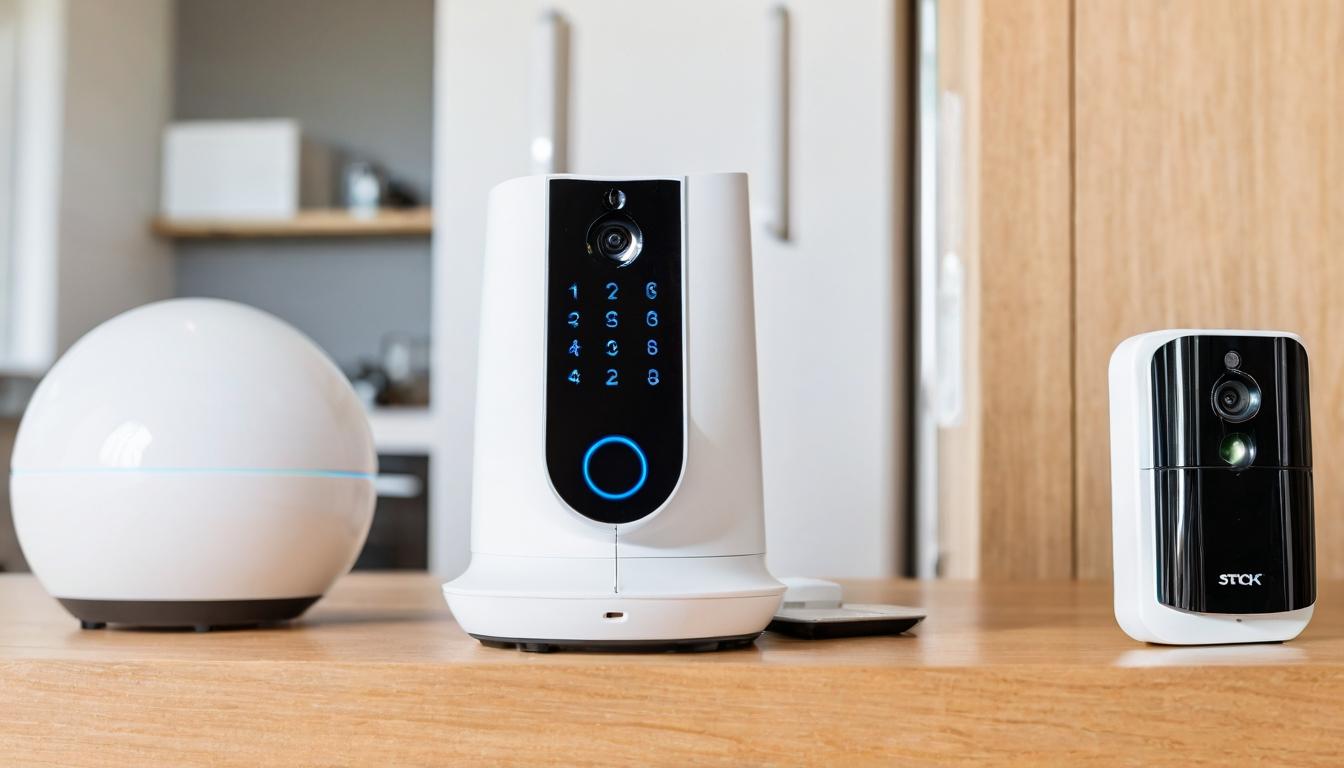
In the quiet hours before dawn, while most households sleep, a silent revolution is unfolding. It doesn't make headlines or require dramatic rescues—it simply prevents disasters from happening. Modern home security has evolved from blaring alarms and intimidating signs to something far more sophisticated: an ecosystem of protection that works while you live your life.
Remember when home security meant a bulky control panel by the front door and stickers on your windows? Those days are fading faster than you might think. Today's systems are learning your routines, anticipating your needs, and creating invisible shields around your most precious spaces. They're not just reacting to threats—they're predicting them.
Consider the smart camera that distinguishes between a delivery person and a potential intruder, or the sensor that knows when your teenager arrives home from soccer practice but alerts you when someone approaches the basement window at 2 AM. These systems have become family members in their own right—quiet, observant, and always on duty.
What's truly fascinating is how these technologies have democratized security. Where once comprehensive protection was a luxury for the wealthy, today's DIY systems put professional-grade monitoring in the hands of renters, young families, and retirees alike. The playing field has leveled, and safety has become accessible in ways our grandparents couldn't imagine.
But with great power comes great responsibility—and some surprising vulnerabilities. The very connectivity that makes smart security so powerful also creates new entry points for digital intruders. A hacker doesn't need to pick your lock when they can potentially disable your cameras from another continent. This creates a fascinating paradox: we're building smarter fortresses with potentially weaker digital doors.
The psychological impact is equally intriguing. Studies suggest that families with comprehensive security systems sleep better, argue less about forgotten door locks, and develop what security experts call 'situational awareness'—a heightened but not paranoid attention to their environment. It's as if the technology trains us to be better protectors of our own spaces.
Perhaps most compelling is how these systems are beginning to predict emergencies beyond burglaries. Advanced sensors can now detect water leaks before they flood your basement, unusual heat patterns that might indicate electrical problems, or even changes in air quality. Your security system is evolving into a home health monitor, watching over both your family and your physical dwelling.
Yet for all this innovation, the human element remains irreplaceable. The best systems still rely on neighbors watching out for each other, parents having difficult conversations with children about safety, and communities building networks of trust. Technology enhances these connections but cannot replace them.
As we look to the future, the lines between security and convenience continue to blur. Your front door might soon recognize family members by their gait before they even reach for their keys. Your windows could adjust their transparency based on who's approaching. The very concept of 'home' is being redefined as a responsive, intelligent space that protects as naturally as it shelters.
In the end, the quietest revolution might be the most profound one. We're not just installing alarms anymore—we're weaving safety into the very fabric of our daily lives. And in doing so, we're reclaiming something precious: the peace of mind to live fully, knowing that while we sleep, work, and play, silent guardians keep watch.
The silent guardians: how smart home security is quietly revolutionizing family safety