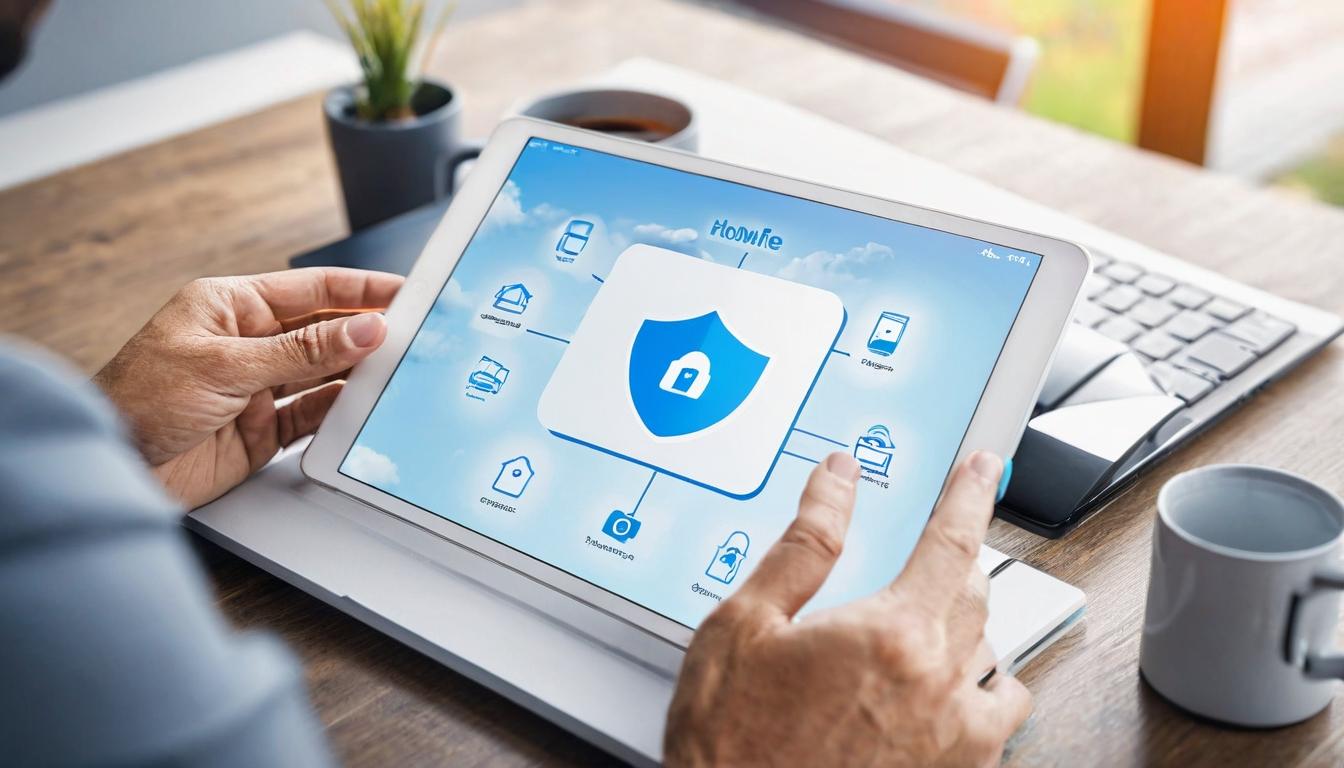
The front door lock clicks shut with reassuring finality, the security system beeps its armed confirmation, and the smart camera's red light glows like a digital sentinel. We've never been more connected to our homes—or more vulnerable. While we sleep soundly behind layers of technology promising protection, a quiet revolution is unfolding in the shadows of our connected lives, one that security experts are watching with growing unease.
Walk through any modern home security website, and you'll find the usual suspects: camera reviews, alarm comparisons, lock recommendations. But dig deeper into the spaces between those polished articles, and you'll discover gaps wide enough to drive a hacker through. The conversation has been stuck on hardware—which camera has the clearest night vision, which alarm screams loudest—while the real threats have evolved into something far more insidious.
Consider the smart speaker listening in your kitchen. It knows your schedule, your shopping habits, your private conversations. Security sites will tell you how to position cameras, but few explore how these always-listening devices create audio maps of your life that could be reconstructed by sophisticated actors. The microphone isn't just hearing commands; it's learning the rhythm of your household, the times when rooms empty, the patterns that make you predictable.
Then there's the digital footprint you never consider—the smart thermostat that knows when you're away, the refrigerator that tracks consumption patterns, the lighting system that maps your movements through the house. Each creates data points that, when combined, paint a startlingly complete picture of your life. Security companies sell these devices as conveniences, but the security implications remain largely undiscussed in mainstream home security content.
Privacy policies buried in terms of service agreements might as well be written in ancient Greek for most homeowners. While security blogs debate the merits of 4K versus 1080p resolution, few investigate what happens to the footage after it leaves your home. That cloud storage isn't just a digital filing cabinet—it's a potential treasure trove for data brokers, insurers, or worse. The cameras facing outward might catch porch pirates, but who's watching the data flowing outward?
Integration creates another vulnerability rarely addressed. That smart lock connects to your phone, which connects to your car, which connects to your calendar. Each connection is a potential entry point, and the security of your entire digital life becomes only as strong as the weakest linked device. Yet most security advice treats each gadget as an island, missing the forest for the trees.
Even the physical security we take for granted has digital shadows. The window sensor that alerts your phone also tells the manufacturer when you're home. The water leak detector that saves you from flooding creates patterns of your water usage. These devices aren't just protecting you—they're studying you, and that data has value beyond your security.
The most concerning gap in today's security conversation? The human element. We focus on technological solutions while ignoring social engineering threats that bypass all the fancy hardware. That friendly delivery person asking to use your bathroom, the 'utility worker' needing to check something, the neighbor who always seems to be watching—these age-old threats have adapted to the digital age, using our connected devices against us.
True security in the modern age requires looking beyond the gadgetry to understand the ecosystem you're creating. It means asking uncomfortable questions about data ownership, considering how devices interconnect, and recognizing that the most sophisticated alarm system can't protect against threats it wasn't designed to see. The revolution in home security isn't about better cameras or louder alarms—it's about understanding that our homes have become living, breathing data factories, and we're all both the operators and the products.
The silence from security companies about these issues speaks volumes. As homeowners, we need to start demanding transparency about data practices, questioning integration risks, and looking at our connected homes with the same critical eye we'd give to a stranger asking for our personal information. The smart home promised convenience and security, but delivered something more complex—a digital ecosystem where protection requires understanding not just the devices on your walls, but the invisible networks connecting them.
The silent revolution in home security: What your smart devices aren't telling you