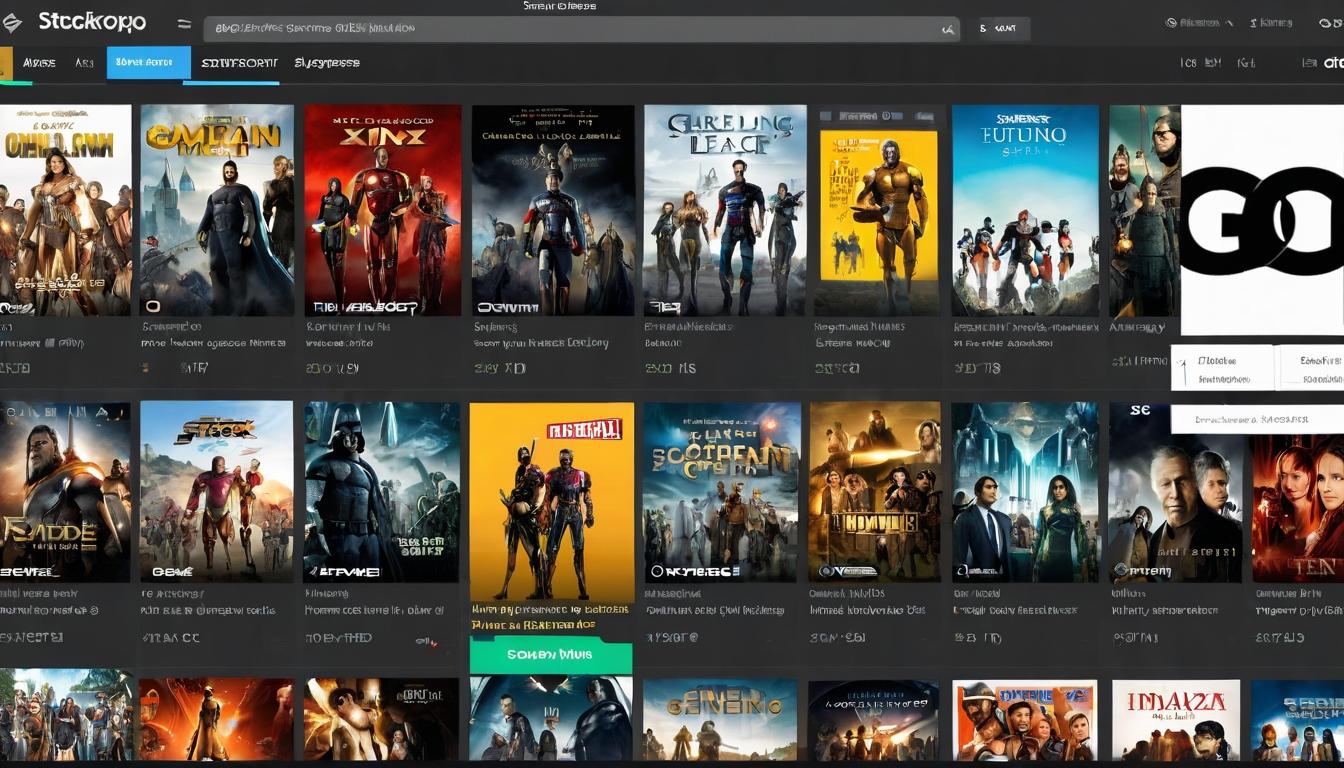
If you've ever wondered why your Netflix recommendations feel eerily prescient, or why certain films vanish from streaming libraries overnight, you're not alone. Behind the glossy interfaces of our favorite platforms, a silent revolution is underway—one that's quietly reshaping which movies get seen, remembered, and celebrated. This isn't just about algorithms suggesting what to watch next; it's about how those same algorithms are beginning to dictate what counts as cinema in the first place.
Take the curious case of mid-budget thrillers from the late '90s. Once staples of video store shelves, many have all but disappeared from major streaming catalogs. Why? Because their viewing metrics don't fit neatly into the engagement models that drive subscriber retention. Films that don't prompt immediate binge-watching or social media buzz are being algorithmically sidelined, creating a digital amnesia where entire genres risk fading from cultural memory.
Meanwhile, platforms are commissioning "algorithm-friendly" content designed to maximize watch time, often at the expense of artistic risk. The result is a homogenization of storytelling, where data points about viewer drop-off rates influence editing decisions, and A/B testing determines character arcs. It's filmmaking by spreadsheet, and it's happening more often than studios would like to admit.
This data-driven curation extends beyond original content to classic cinema. Ever notice how certain older films suddenly surge in popularity on streaming services? Often, it's not organic word-of-mouth but strategic licensing deals informed by predictive analytics. Platforms acquire rights to films their algorithms identify as having "rediscovery potential" among specific demographics, effectively engineering cult classics rather than letting them emerge naturally.
The implications for film criticism are profound. When algorithms prioritize content based on engagement metrics rather than artistic merit, traditional review aggregators like Rotten Tomatoes face obsolescence. Why read critics when a platform's recommendation engine tells you exactly what you'll probably enjoy? This shift threatens to reduce cinema to mere content—consumable, forgettable, and endlessly replaceable.
Yet resistance is brewing. Independent filmmakers and preservationists are creating alternative distribution networks, from boutique streaming services to physical media collectives, aiming to safeguard cinematic diversity. Their mission: to ensure that the movies that matter aren't erased by the cold logic of data analytics.
As viewers, we're not powerless. Every click, watch, and rating feeds the algorithms. By seeking out overlooked films, supporting independent platforms, and engaging critically with what we watch, we can help shape a digital landscape where cinema remains an art form, not just a product. The battle for the soul of movies is being fought in lines of code and viewer data—and it's one we all have a stake in.
The hidden algorithm wars: how streaming platforms are secretly rewriting movie history