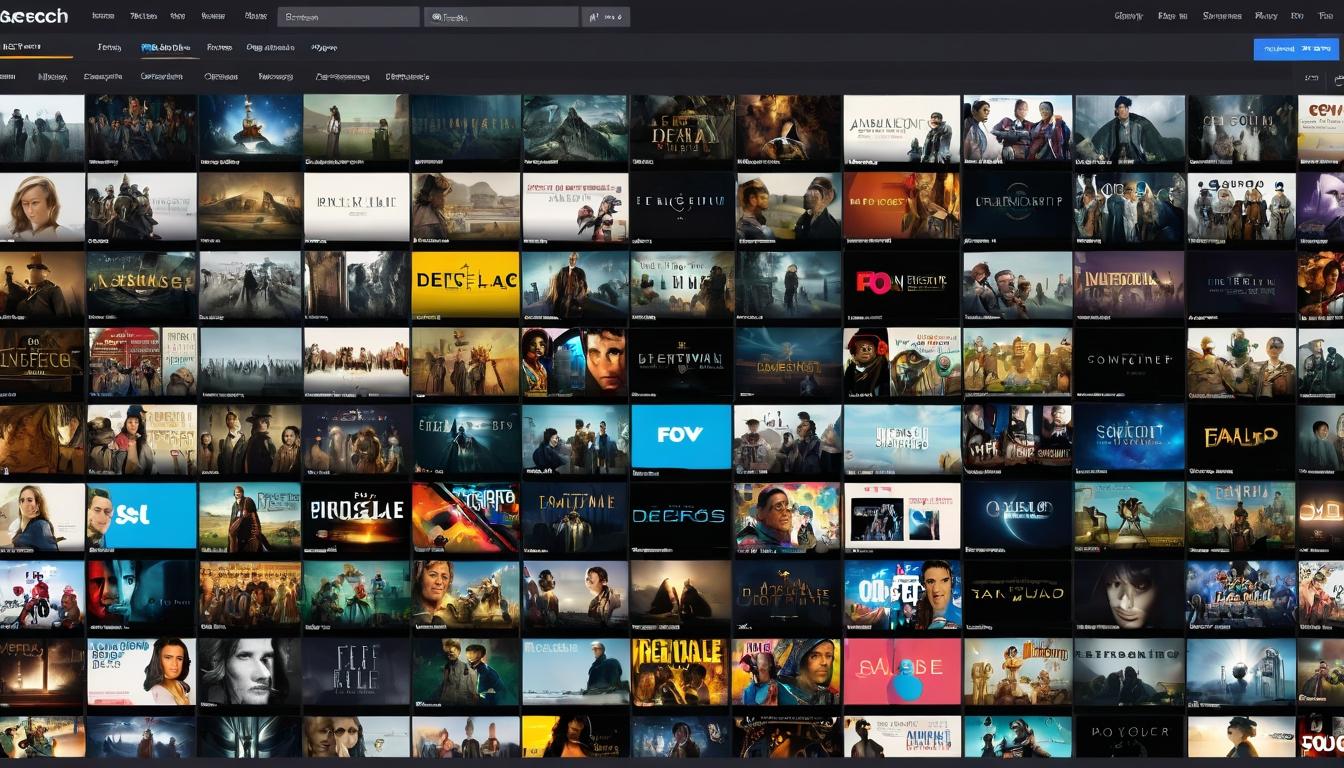
If you've spent any time scrolling through Netflix, Disney+, or Amazon Prime lately, you might have noticed something peculiar. The 'classics' section looks different than it did five years ago. The 'critically acclaimed' category seems to shift weekly. And the movies your parents raved about? They're getting harder to find unless you know exactly what to search for. This isn't random—it's the result of sophisticated algorithms that are quietly rewriting our collective cinematic memory, and the implications are more profound than most viewers realize.
Walk into any video store in the 1990s, and you'd find a fairly consistent canon of essential films. Citizen Kane, The Godfather, Casablanca—these occupied the 'classics' section by unanimous cultural agreement. Today, that consensus is fracturing. Streaming platforms employ recommendation engines that prioritize engagement metrics above all else. If an obscure 1980s comedy keeps users watching for longer sessions than a celebrated Oscar winner, the algorithm will surface the comedy more prominently. Over time, this shapes what 'classic' means to new generations of viewers.
These platforms have become the primary gatekeepers of film history for millions. When Netflix licenses a film, it doesn't just add it to a library—it decides how to present it, categorize it, and recommend it. The 'critically acclaimed' tag might be applied to a recent blockbuster with mixed reviews because data shows that tag drives clicks. Meanwhile, genuine masterpieces with slower pacing might be buried in the algorithm because they don't maximize 'watch time' metrics. We're witnessing the commercialization of cultural memory, where a film's historical importance is increasingly determined by its performance in A/B testing rather than its artistic merit.
The effect extends beyond just what's recommended. Entire genres are being reshaped by these invisible forces. Film noir, once a well-defined category, now gets blended with 'crime thrillers' and 'mysteries' in ways that obscure its historical context. Foreign language films get categorized not by country or movement, but by vague mood tags like 'emotional' or 'thought-provoking.' This flattening of cinematic history serves the platforms' need for simplicity, but it comes at the cost of nuance and understanding.
Perhaps most concerning is what happens to films that don't fit the algorithmic mold. Slow-burn character studies, challenging art house films, and movies with complex political themes often get minimal promotion because they don't generate the immediate engagement metrics platforms crave. They become the cinematic equivalent of endangered species—technically available, but increasingly difficult to discover unless you already know they exist. This creates a feedback loop where only certain types of films get seen, which then informs what types of films get made.
The financial incentives are impossible to ignore. When a streaming service pays millions for exclusive rights to a film, they have every reason to promote it aggressively in their algorithms. This means that what appears in your 'trending now' section might have more to do with licensing deals than genuine popularity. The line between curation and advertising has blurred to the point of invisibility, and most viewers have no idea they're being steered toward content based on corporate financial arrangements rather than quality or importance.
Independent filmmakers face particular challenges in this environment. Without the marketing budgets of major studios, their films rely on algorithmic discovery to find audiences. But if their work doesn't trigger the right engagement metrics in initial testing, it might never surface to potential viewers. Some filmmakers have begun 'algorithm-proofing' their work—adding more recognizable stars, simplifying plots, or including more 'bingeable' elements—not because these serve the story, but because they might help the film survive in the algorithmic ecosystem.
There's also the question of preservation. Physical media provided a stable archive of film history. Streaming libraries, by contrast, are constantly in flux as licensing agreements expire. A film that's prominently featured one month might disappear the next. This transience makes it difficult to maintain a consistent historical record. Future film scholars may find themselves studying not just films, but the patterns of their availability and promotion across streaming platforms—a kind of meta-history of cinematic access.
What can viewers do to push back against this algorithmic rewriting of film history? First, seek out alternative sources of recommendation. Film criticism websites, curated lists from film institutions, and conversations with knowledgeable friends can provide perspectives that algorithms miss. Second, support physical media and independent theaters when possible—these remain spaces where films are valued for reasons beyond engagement metrics. Finally, be conscious of how platforms are shaping your viewing habits. That 'recommended for you' section isn't neutral—it's the product of complex calculations designed to keep you watching, not to expand your cinematic horizons.
The truth is, we're living through a fundamental shift in how film history is created and preserved. The gatekeepers have changed from critics and scholars to algorithms and engagement managers. The films that future generations consider 'essential' may have less to do with artistic achievement than with how well they performed in A/B tests designed to maximize subscription renewals. It's a quiet revolution happening in our living rooms, one recommendation at a time, and its full impact won't be understood for decades to come.
The hidden algorithms shaping what we watch: How streaming platforms are quietly rewriting movie history