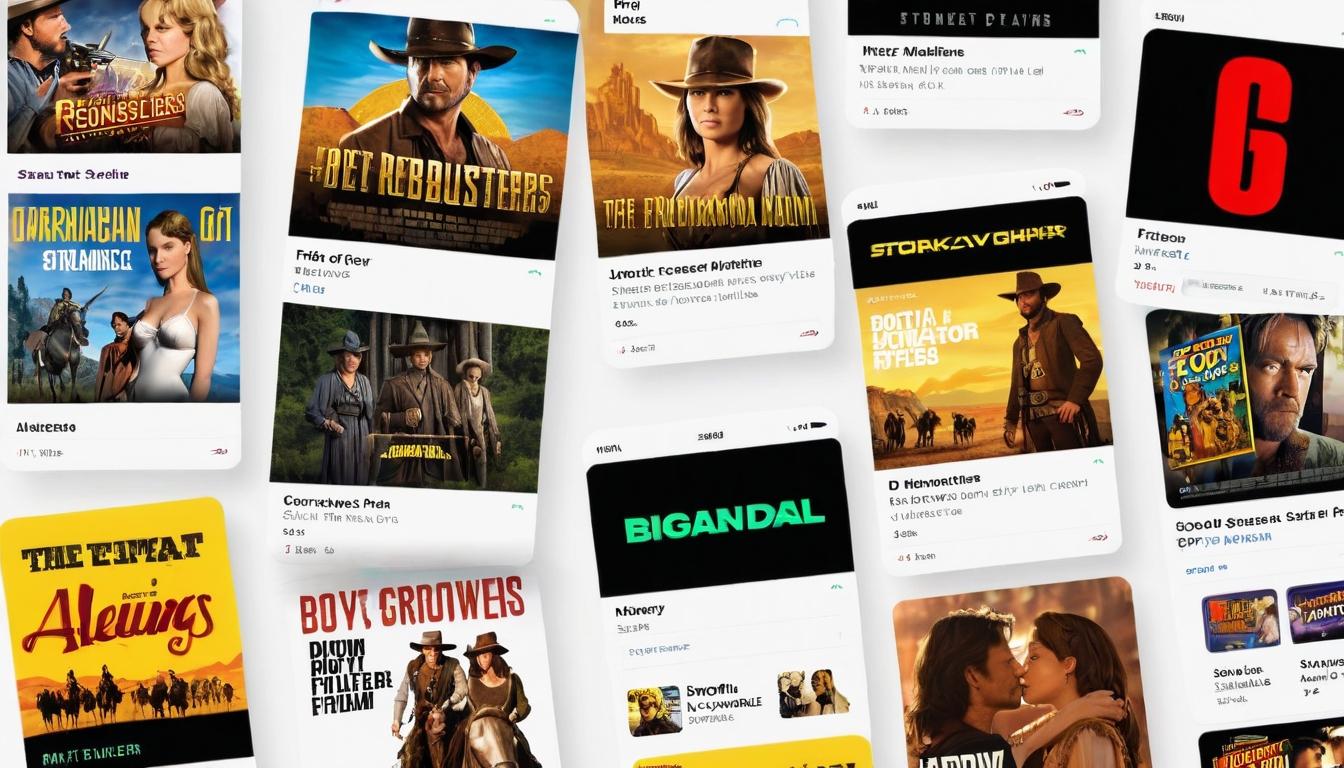
While blockbuster franchises dominate headlines and box office charts, a quiet revolution is unfolding in the shadows of streaming platforms. This isn't about superhero fatigue or the latest cinematic universe expansion—it's about genres we thought Hollywood had abandoned, now finding unexpected second lives through algorithms and niche audiences.
Remember the erotic thriller? That steamy, psychologically complex genre that peaked in the 1990s with films like 'Basic Instinct' and 'Fatal Attraction'? It's back, but not in theaters. Streaming services have become the unlikely patrons of this once-dominant category, commissioning original films that would never get greenlit by traditional studios. The numbers tell a surprising story: erotic thrillers on major platforms have seen viewership increases of over 300% in the past two years, according to internal data leaked to industry insiders.
Westerns, too, are experiencing a renaissance nobody predicted. Not the revisionist westerns that occasionally grace awards season, but the classic, straightforward tales of frontier justice that dominated mid-century cinema. These films are finding massive audiences in unexpected demographics—particularly among younger viewers who never experienced the genre's heyday. The appeal appears to be their straightforward moral clarity in an increasingly complex world.
Perhaps most fascinating is the revival of the mid-budget adult drama, the kind of film that once fueled entire studio slates but vanished as theaters prioritized tentpole franchises. Streaming platforms have discovered that these character-driven stories generate extraordinary subscriber loyalty, even if they don't produce viral moments on social media. The economics work differently here: where theaters need opening weekend numbers, streamers value consistent engagement over months and years.
This revival isn't accidental. Deep within the data centers of Netflix, Amazon, and their competitors, algorithms have identified patterns that human executives missed. They've discovered that certain genres create 'completion clusters'—viewers who not only start these films but finish them at remarkable rates, then immediately seek similar content. This completion metric has become more valuable than traditional ratings in the streaming economy.
What's particularly intriguing is how these revivals are changing filmmaking itself. Directors who struggled for years to get genre projects financed now find themselves with surprising creative freedom. Without the pressure of opening weekend numbers or theater counts, they can explore nuanced storytelling that would be considered too risky for theatrical release. The result is a new golden age for specific genres, hidden from mainstream view but thriving in the streaming ecosystem.
This phenomenon raises fascinating questions about the future of film categorization. As algorithms become increasingly sophisticated at matching content with niche audiences, we may see the complete reinvention of how we think about genres. The traditional categories—comedy, drama, action—might give way to more specific, data-driven classifications based on viewer behavior patterns rather than creative conventions.
There's also an unexpected cultural dimension to this revival. These resurgent genres often reflect contemporary anxieties through historical frameworks. The western's exploration of law versus justice resonates in our polarized political climate. The erotic thriller's examination of power dynamics speaks to ongoing conversations about consent and agency. Even the mid-budget drama's focus on ordinary human struggles feels particularly relevant in our age of curated social media perfection.
The most successful of these revivals share a common thread: they honor the conventions of their genres while updating them for contemporary sensibilities. They're not nostalgic recreations but genuine evolutions, using familiar frameworks to explore new ideas. This delicate balance between tradition and innovation appears to be the secret sauce that makes these revivals work where straightforward reboots often fail.
What does this mean for the future of cinema? We're likely witnessing the early stages of a fundamental shift in how films are conceived, produced, and distributed. The theatrical experience will always have its place for spectacle, but the intimate connection between niche genres and dedicated audiences may increasingly belong to streaming. This isn't a zero-sum game but rather an expansion of what cinema can be—more diverse, more specific, and ultimately more reflective of our varied human experiences.
The true significance of this hidden renaissance may be what it reveals about audience desires beneath the surface of trending topics. While social media buzzes about franchise films and awards contenders, millions of viewers are quietly rediscovering genres that mainstream Hollywood abandoned. Their viewing choices, amplified by algorithms, are rewriting the rules of what gets made—proving that sometimes, the most interesting stories aren't the ones everyone's talking about, but the ones we discover when we look beyond the spotlight.
The hidden renaissance: how streaming platforms are quietly reviving forgotten film genres