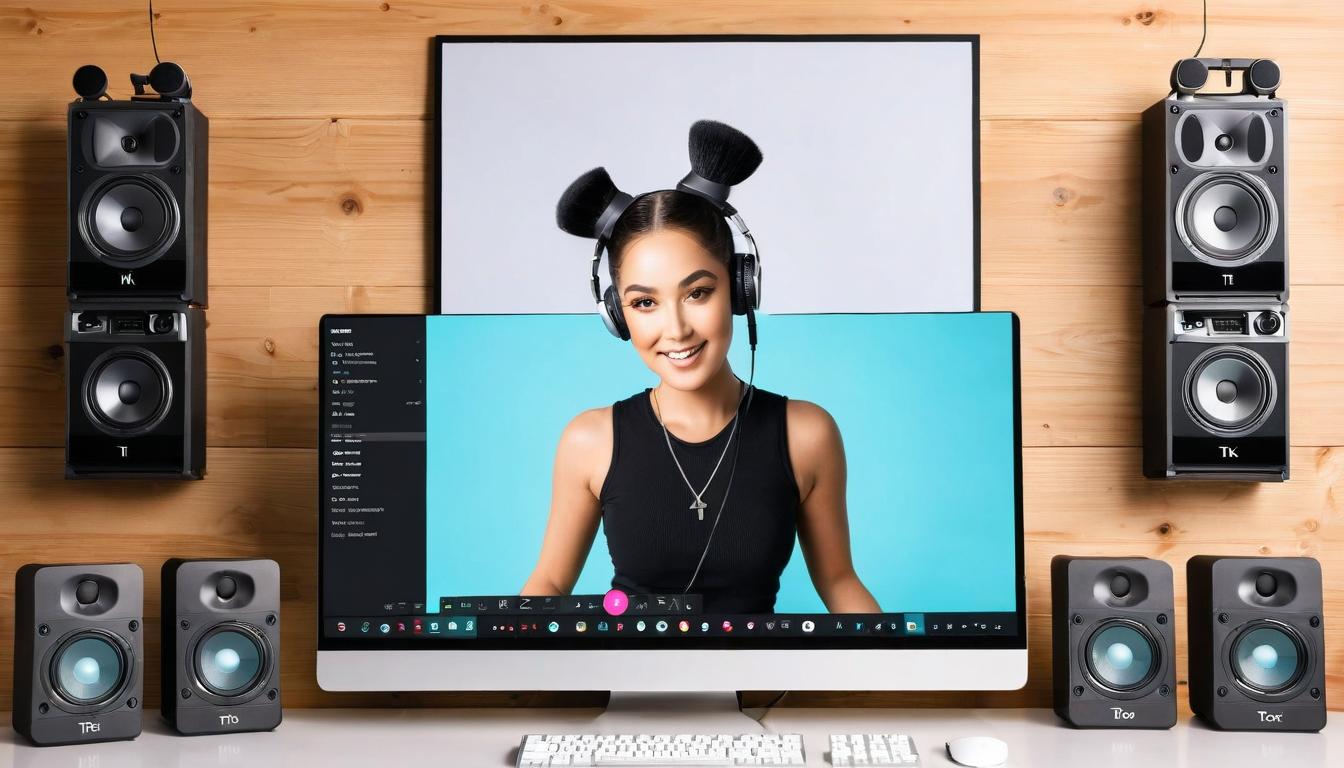
In the dim glow of a laptop screen, a 19-year-old in Milwaukee stitches together synth pads and vocal samples she found on a Discord server. Across the ocean, a veteran producer in London feeds decades of chart-topping hits into an algorithm, watching as it spits out chord progressions that feel both familiar and utterly alien. These aren't isolated scenes from the fringes—they're snapshots of a fundamental shift in how music gets made, distributed, and consumed, a shift that the traditional industry is still scrambling to understand.
While major labels chase TikTok virality and festival headliners, a parallel ecosystem has been flourishing in plain sight. Platforms like Bandcamp and SoundCloud have evolved from digital dumping grounds into legitimate launchpads, with artists like Jane Remover and underscores building devoted followings without ever touching a recording studio. The bedroom isn't just where music is made anymore; it's become the control room for entire careers, complete with direct-to-fan marketing and community building that bypasses traditional gatekeepers entirely.
This democratization comes with a strange new tension: the rise of AI as both collaborator and competitor. Tools like Google's MusicLM and startups like Boomy allow anyone to generate complete tracks from text prompts, blurring the line between creator and curator. The results can be uncanny—songs that sound professionally produced but lack the human fingerprints of intention and error. For some, it's a terrifying prospect; for others, it's an infinite palette of new sounds waiting to be shaped. The ethical questions are piling up faster than the royalty statements.
Meanwhile, the very definition of a 'release' is transforming. Artists like Blood Orange and FKA twigs have embraced the 'slow drip'—leaking snippets, alternate versions, and visual fragments across months, turning album cycles into living narratives rather than one-off events. Fans aren't just consumers; they're archaeologists piecing together clues, creating a depth of engagement that a simple Spotify upload could never achieve. This isn't just marketing—it's a new artistic language born from digital native sensibilities.
Beneath these technological waves, a quieter cultural recalibration is taking place. Genre, that once-rigid categorization, has become almost meaningless. Listen to an artist like Yves Tumor or Shygirl, and you'll hear punk aggression, R&B sensuality, and electronic experimentation fused into something that defies easy labeling. Playlists have become the new radio, but they're curated by algorithms learning our deepest, sometimes contradictory, listening habits. The result is a listening culture more adventurous and personalized than ever, but also more fragmented.
What emerges from this chaos isn't a dystopia of robotic music, but a renaissance of human creativity finding new tools. The bedroom producer with her laptop, the veteran using AI as a brainstorming partner, the artist building a world instead of just an album—they're all part of the same story. It's a story about access, about the collapse of old barriers, and about the thrilling, terrifying, and utterly human urge to make something new out of the noise. The revolution won't be televised. It'll be streamed, algorithmically recommended, and probably made in a bedroom.
The quiet revolution: how bedroom producers and AI are reshaping music's future