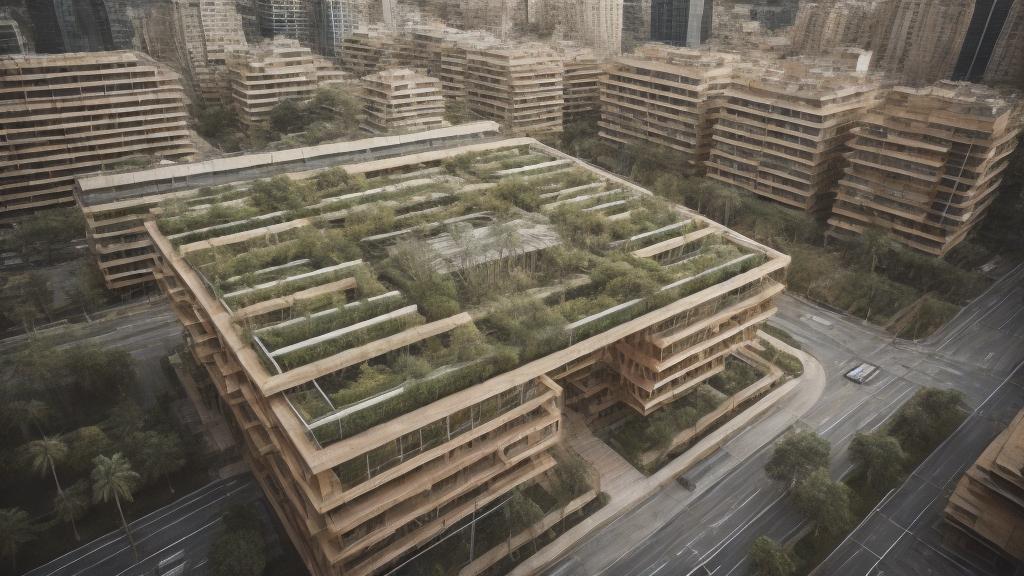
In a world increasingly dominated by technology and rapid urbanization, the need to reconnect with nature has never been more vital. This necessity has paved the way for the rising interest in biophilic design—a concept that seeks to integrate nature-inspired elements into modern living spaces, promoting well-being and sustainability. Drawing from ancient wisdom and contemporary insights, biophilic design is transforming the way we perceive our environments.
Biophilic design is not just a modern trend; its roots can be traced back to ancient civilizations that revered nature as an integral part of their existence. The ancient Greeks, for instance, constructed open-air theaters that harmonized with the natural landscape, while the Egyptians incorporated natural elements into their architecture to connect with their gods. This time-tested symbiosis with nature resurfaces in today's design principles, advocating for a lifestyle that honors our inherent need for natural connection.
At the core of biophilic design is the recognition that humans innately yearn for a bond with nature, a concept known as the biophilia hypothesis, proposed by biologist Edward O. Wilson. This hypothesis underlines our instinctual attraction and comfort derived from natural settings and patterns. In practical terms, biophilic design manifests through the incorporation of natural lighting, vegetation, organic shapes, and materials in architectural projects. Skylights and large windows in homes and offices allow for ample natural light, reducing dependency on artificial lighting while enhancing mood and productivity.
Interior spaces adorned with lush greenery and living walls not only beautify but also purify the air, creating healthier and more enjoyable environments. Studies have shown that workplaces designed with biophilic elements see improved employee satisfaction, increased focus, and lower stress levels. Indeed, the quality of our environment profoundly impacts our psychological and emotional states, a fact well-understood by advocates of biophilic design.
Moreover, biophilic design's emphasis on sustainability dovetails with the growing environmental consciousness of our era. By reducing energy consumption through natural climate control methods, utilizing eco-friendly materials, and incorporating renewable resources, these designs offer solutions to some of our most pressing ecological challenges.
One shining example is the Bosco Verticale in Milan, a residential complex that integrates over two acres of trees and plants on its facade. This ambitious project reduces pollution, produces oxygen, and provides habitat for wildlife, illustrating the myriad benefits of merging architecture with nature. Such visionary projects serve as prototypes for future urban planning, demonstrating that our built environments can be part of the ecosystem rather than apart from it.
While biophilic design offers numerous advantages, its widespread adoption faces certain hurdles. The initial costs of incorporating these features can be higher than conventional building methods, and some stakeholders may resist deviation from traditional construction paradigms. Educating architects, clients, and policymakers on the long-term physical, economic, and environmental benefits is crucial in overcoming these obstacles.
The future of biophilic design lies in its ability to adapt to varying cultural contexts and urban landscapes. As technology continues to advance, innovative solutions such as augmented reality nature experiences and bio-responsive environments may become integral to this movement. By fusing technology with biophilic principles, designers can craft spaces that not only reconnect us with nature but also cater to the evolving needs of a modern society.
In conclusion, biophilic design represents more than just a trend in architecture and urban planning; it is a profound movement that challenges us to reconsider our relationship with the natural world. By embedding nature into the fabric of our daily lives, we not only enhance human well-being but also contribute to a more sustainable and harmonious planet.
As we continue to explore and embrace these ancient concepts, biophilic design holds the promise of building a future where humanity and nature exist in symbiosis, each thriving within the other's presence.
Exploring the ancient wisdom of biophilic design in modern spaces