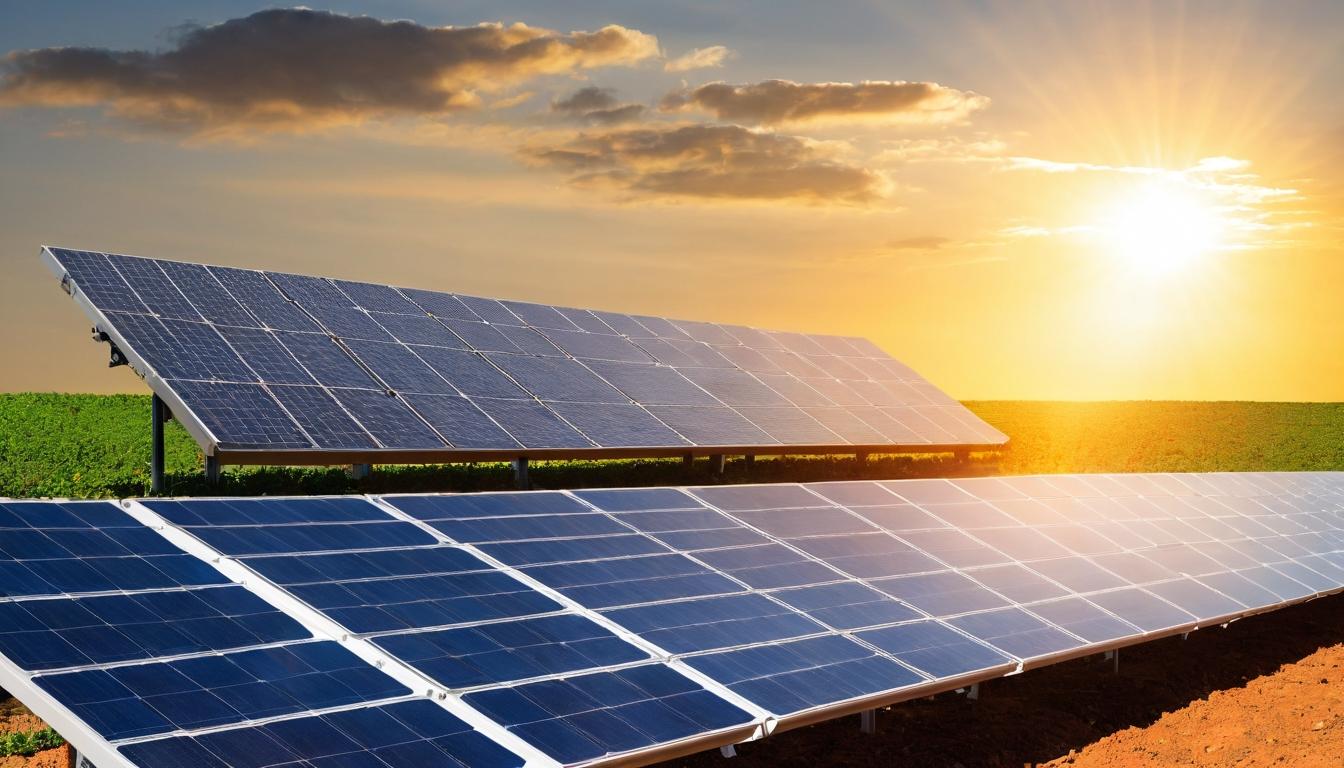
The solar panels on your neighbor's roof are quietly generating clean electricity right now, but come sunset, they'll fall silent. This isn't just a poetic observation—it's the central paradox of our renewable energy transition. While headlines celebrate record-breaking solar installations and plummeting panel prices, a more complex story unfolds behind the scenes, one involving battery chemistry, grid dynamics, and a race against darkness that could determine whether solar becomes a true replacement for fossil fuels or remains a daytime-only contributor.
Walk through any residential neighborhood with solar adoption, and you'll notice something peculiar: those sleek panels produce nothing at night. The electricity they generate must be used immediately, stored, or fed back to the grid. This creates what grid operators call the 'duck curve'—a dramatic dip in demand during sunny afternoons when solar floods the system, followed by a steep ramp-up as the sun sets and traditional power plants must quickly come online. In California, this curve has become so pronounced that the state has occasionally paid neighboring states to take excess solar power, while still needing natural gas 'peaker' plants for evening reliability.
Enter energy storage, the industry's great hope for solving solar's intermittency problem. Lithium-ion batteries have captured most of the attention, with companies like Tesla making home battery systems almost as recognizable as their electric vehicles. But behind the marketing gloss lies a more nuanced reality. Current lithium-ion batteries typically provide 4-6 hours of storage—enough to get a household through the evening peak but insufficient for prolonged cloudy periods or seasonal variations. Researchers are exploring alternatives like flow batteries, compressed air storage, and even gravity-based systems using weights in abandoned mines, but these remain largely experimental or limited to utility-scale applications.
Meanwhile, a quiet revolution is happening in how we think about solar energy itself. 'Solar-plus-storage' systems are becoming the new standard for both residential and commercial installations, with integrated systems that manage when to store energy versus when to export it to the grid. Advanced inverters now allow solar arrays to provide 'grid-forming' services, helping stabilize voltage and frequency rather than just feeding in power. Some utilities are experimenting with virtual power plants—networks of home solar and battery systems that can be dispatched as needed, turning thousands of rooftops into a distributed power station.
Yet technical solutions alone won't solve solar's nighttime problem. Regulatory frameworks designed for centralized power generation struggle to accommodate distributed resources. Net metering policies, which credit solar owners for excess electricity sent to the grid, are being reevaluated as solar penetration increases. Some states are shifting to time-of-use rates that better reflect the actual value of electricity at different times, creating financial incentives for storing solar energy during the day and using it during expensive evening hours.
The international perspective reveals both cautionary tales and innovative approaches. Germany's Energiewende (energy transition) has made it a solar leader but also exposed grid stability challenges during prolonged cloudy periods. Australia, with its high residential solar adoption, has become a laboratory for managing distributed energy resources, including mandatory grid-connection standards for new solar installations. In developing countries, solar-plus-storage microgrids are leapfrogging traditional grid infrastructure entirely, providing 24/7 power where centralized systems never reached.
Looking ahead, the most promising developments may come from unexpected intersections. Electric vehicles with vehicle-to-grid capability could become mobile batteries, storing solar energy during the day and powering homes at night. Thermal storage—using excess solar to heat water or special materials that release heat gradually—offers a lower-tech alternative for certain applications. And artificial intelligence is optimizing when to charge and discharge batteries based on weather forecasts, electricity prices, and usage patterns.
What's clear is that solving solar's darkness problem requires moving beyond simply adding more panels. It demands integrated systems that combine generation, storage, and smart management. It requires regulatory innovation that values flexibility and reliability alongside clean electrons. And it needs honest conversation about limitations as well as possibilities—recognizing that even our brightest energy source has its daily eclipse.
The solar panels on your roof represent more than just clean energy; they're one node in a rapidly evolving energy network. How we address the hours when they're inactive will determine whether solar power becomes the foundation of our energy system or remains an important but limited contributor. The challenge isn't just capturing sunlight—it's making sure its benefits don't disappear with the sunset.
The solar revolution's hidden challenge: What happens when the sun goes down?