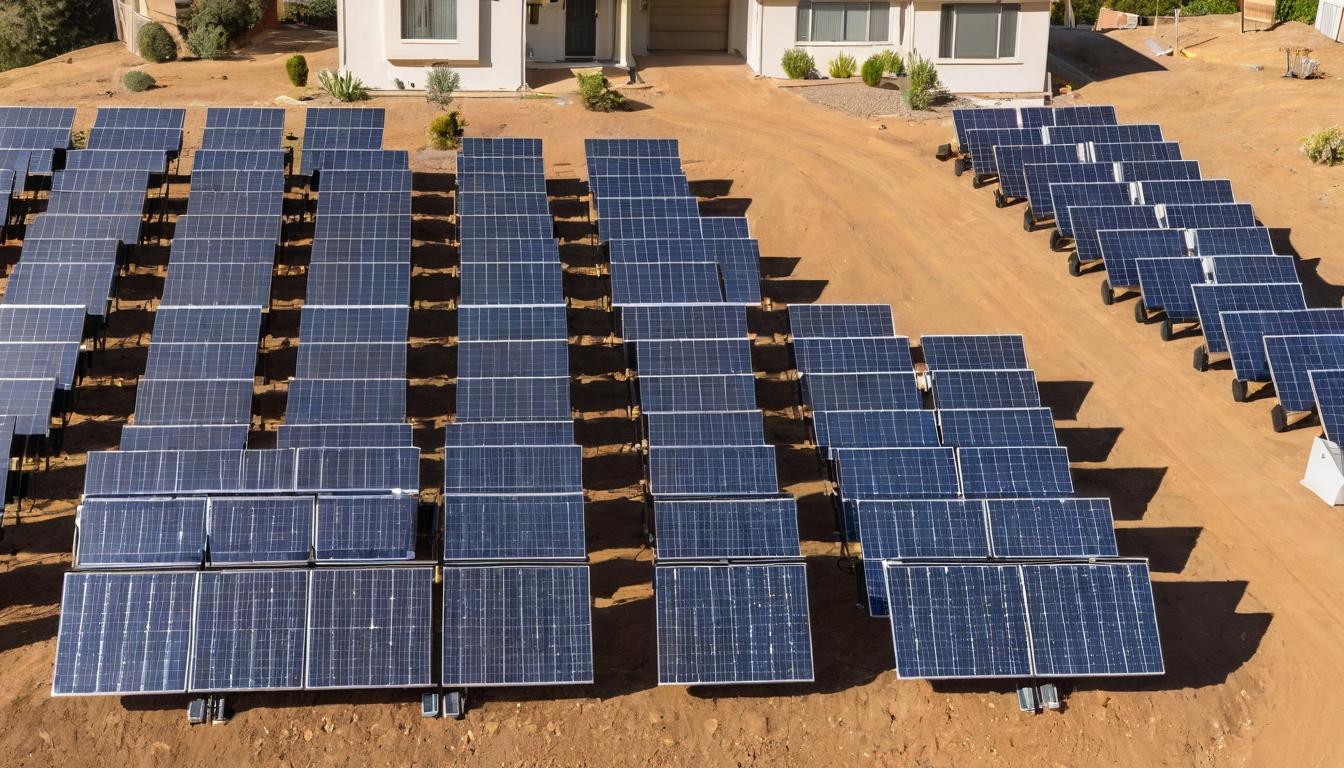
Across America's rooftops, a quiet revolution has been unfolding for two decades. Millions of solar panels, installed during the industry's explosive growth years, are now approaching their twilight. They still produce power, but at diminished rates—and their eventual retirement poses questions few homeowners or policymakers have seriously considered. While manufacturers tout 25-year warranties and degradation rates, the reality on weathered rooftops tells a more complex story.
In Phoenix, Arizona, a homeowner discovered his 18-year-old system had lost nearly 40% of its original output. The inverter had failed twice, and micro-cracks in the panels were visible under infrared imaging. 'The salesperson talked about free energy for decades,' he told me, 'but nobody mentioned the $8,000 replacement cost when components start failing outside warranty.' His experience isn't unique. Industry insiders whisper about 'the coming wave' of system failures as early installations reach critical age.
Meanwhile, recycling infrastructure remains shockingly underdeveloped. Only about 10% of solar panels get properly recycled in the U.S. today. The rest risk ending up in landfills, where toxic materials like lead and cadmium could leach into soil. Europe has implemented producer responsibility laws, forcing manufacturers to fund recycling programs. America has no such federal mandate, leaving states to patch together regulations.
Financing these end-of-life costs presents another challenge. Many early adopters assumed they'd simply replace old panels with newer, more efficient models. But roof penetrations from original installations, updated electrical codes, and changing racking systems can make replacement more complicated—and expensive—than expected. Some homeowners face the equivalent of a second solar mortgage just to maintain their clean energy production.
Innovation offers glimmers of hope. Companies are developing panels designed for easier disassembly, using adhesives that dissolve with heat and frames that separate cleanly. 'Circular solar' advocates push for designs where 95% of materials get reused in new panels. Yet these solutions remain niche, while millions of panels continue aging on rooftops nationwide.
The insurance industry has begun taking notice. Some carriers now require additional riders for solar systems over 15 years old, citing increased fire risks from degraded wiring and connections. Fire departments nationwide report challenges fighting blazes where rooftop solar complicates ventilation and creates electrical hazards.
Perhaps most concerning is the equity dimension. Low-income households who accessed solar through subsidized programs may face the steepest challenges when systems need replacement or repair. Without proactive policies, America risks creating a new wave of 'stranded solar assets' on the roofs of those least able to afford solutions.
This isn't a case against solar—the technology remains crucial for decarbonization. But honest conversations about longevity, replacement costs, and recycling must become part of every solar transaction. The industry that sold America on sunshine now needs to address what happens when the clouds roll in.
Forward-thinking states like California and Washington are beginning to mandate recycling plans, while manufacturers like First Solar operate their own recycling facilities. But without coordinated national action, we're building tomorrow's environmental challenge while solving today's energy one. The panels on your roof might last 25 years, but their impact—and their materials—will linger much longer.
The hidden costs of solar: What happens when the panels stop working?