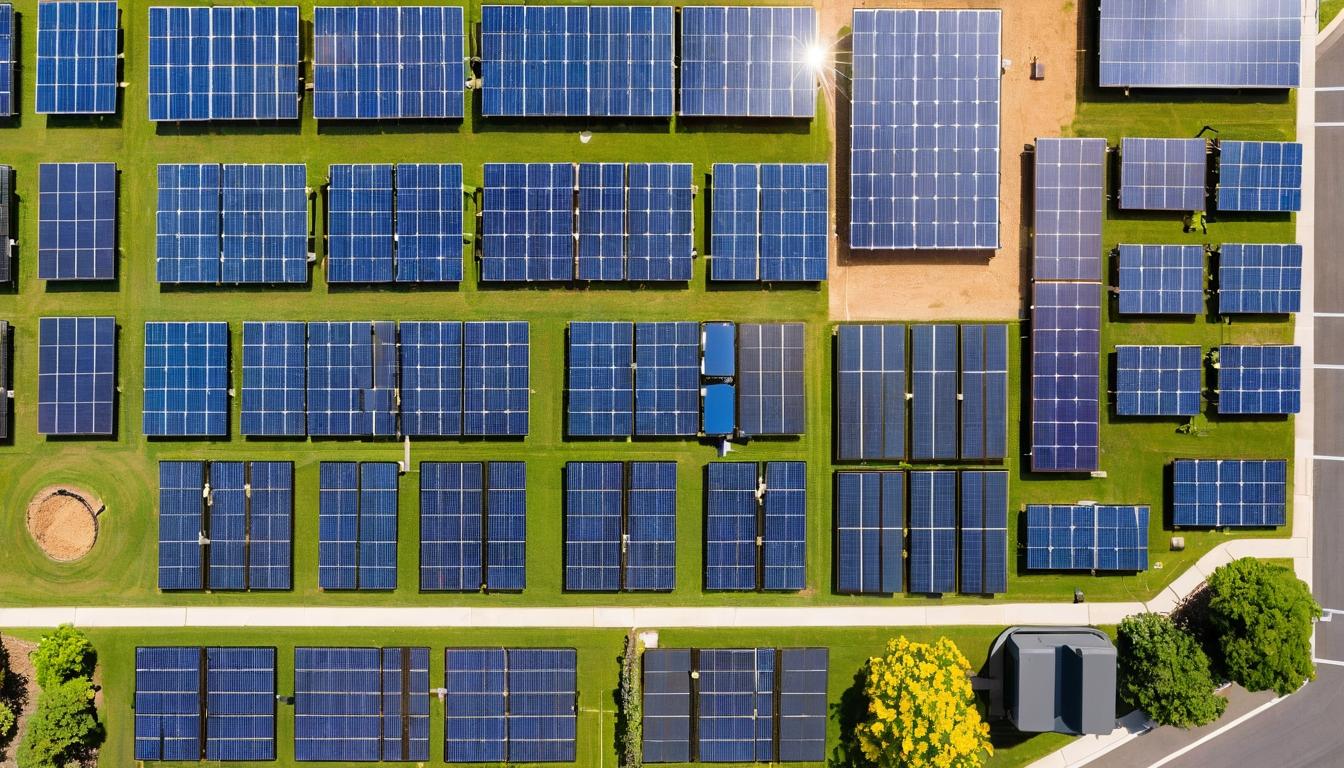
Walk through any suburban neighborhood today and you'll see them—those sleek, dark rectangles perched on rooftops like silent sentinels. What began as a niche technology for eco-conscious homeowners has quietly blossomed into something far more profound. The solar panel revolution isn't just happening; it's accelerating at a pace that's leaving traditional energy models scrambling to catch up.
Behind the glossy marketing materials and government incentives lies a complex web of technological breakthroughs, supply chain dramas, and geopolitical maneuvering. While most homeowners focus on their monthly electric bill savings, a much larger story unfolds across research labs, manufacturing facilities, and policy chambers worldwide. This isn't merely about cleaner energy—it's about who controls our power, literally and figuratively.
Manufacturing innovations have pushed solar panels beyond the predictable silicon workhorses of yesteryear. Perovskite cells, once confined to laboratory demonstrations, now promise efficiencies that could make today's panels look quaint. Tandem solar cells stack different materials like a technological sandwich, capturing sunlight across multiple spectrums. These aren't incremental improvements; they're quantum leaps that could reshape entire industries.
Yet technology alone doesn't explain the solar surge. A quiet revolution in installation practices has made rooftop solar accessible to millions who previously couldn't afford the upfront costs. Community solar projects allow apartment dwellers and renters to participate. Solar-as-a-service models eliminate purchase barriers entirely. The democratization of solar power isn't just happening—it's being engineered through financial innovation.
Meanwhile, the global supply chain tells its own dramatic tale. China's dominance in manufacturing has created both unprecedented scale and concerning dependencies. Recent trade tensions and shipping disruptions revealed just how fragile this interconnected system remains. Companies worldwide now race to establish alternative production hubs, creating new economic opportunities while navigating complex environmental and labor considerations.
Storage solutions have emerged as solar's indispensable partner. Lithium-ion batteries get most attention, but flow batteries, compressed air storage, and even gravity-based systems compete for a piece of the growing market. The real breakthrough isn't in any single technology but in how these systems integrate—creating resilient microgrids that can operate independently during outages or supply excess power back to the main grid.
Policy landscapes shift like desert sands, with incentives appearing and disappearing based on political winds. The Investment Tax Credit's uncertain future creates boom-and-bust cycles that strain manufacturers and installers alike. Yet beneath this volatility, something more permanent takes root: market forces that increasingly favor solar regardless of government support. When economics align with environmental benefits, change becomes inevitable rather than optional.
Consumer education remains both challenge and opportunity. Misinformation about panel efficiency in cloudy weather, maintenance requirements, and property value impacts persists despite overwhelming evidence to the contrary. The gap between solar's technical reality and public perception creates space for both exploitation and innovation—with trustworthy information becoming as valuable as the technology itself.
Looking forward, solar integration with other technologies promises transformations we're only beginning to imagine. Electric vehicle charging from rooftop panels creates self-sufficient transportation. Smart home systems optimize consumption around solar production. Agricultural applications power irrigation while providing shade for crops. Each intersection creates new possibilities that extend far beyond simple electricity generation.
The most compelling story might be what's not happening: traditional utilities watching their century-old business models erode. As more customers generate their own power, utilities face existential questions about their role in an increasingly decentralized energy landscape. Their responses—from embracing solar to fighting it through regulatory channels—will shape our energy future as much as any technological breakthrough.
What began as panels on roofs has grown into something far more significant: a fundamental reimagining of how we produce, distribute, and think about energy. The quiet revolution continues, one rooftop at a time, transforming not just our power grid but our relationship with the resources that sustain modern life.
The hidden revolution: How solar panels are quietly transforming our energy landscape