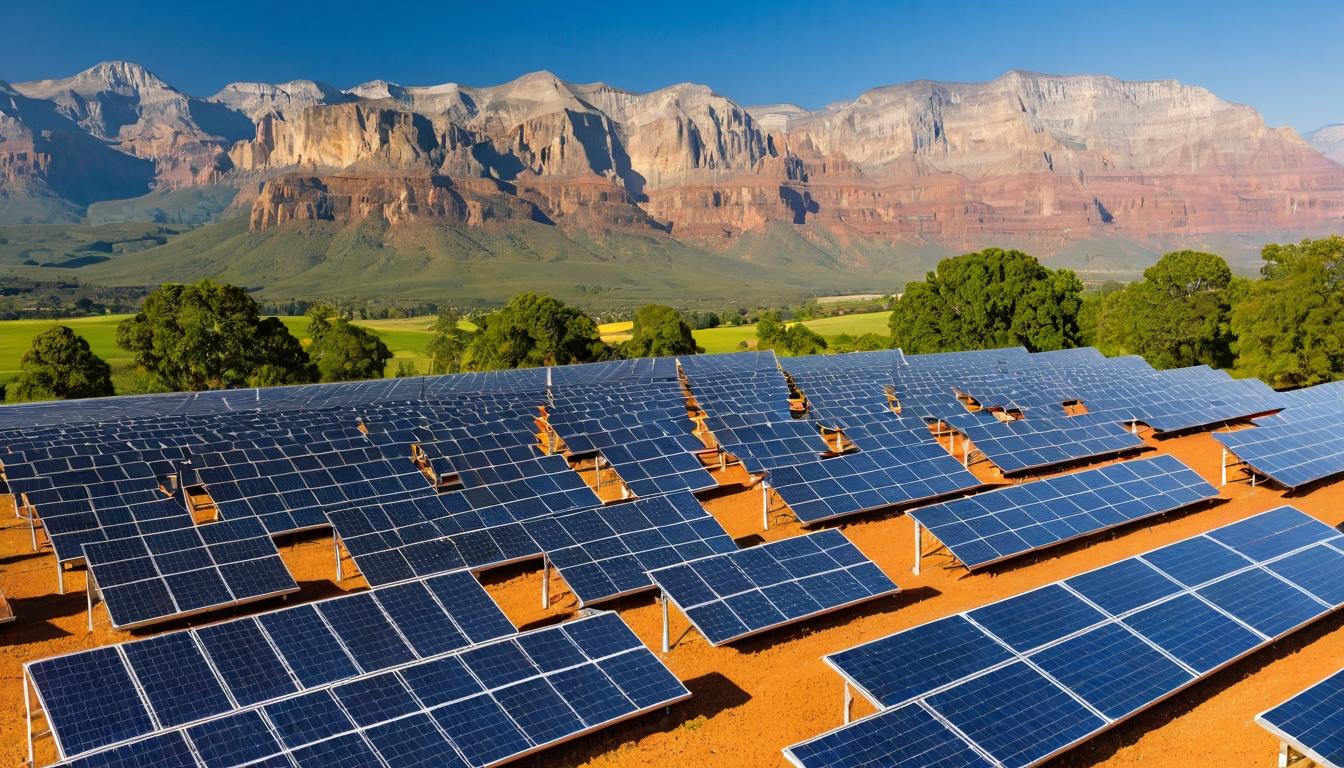
While most conversations about solar panels focus on kilowatt-hours and payback periods, a deeper transformation is unfolding beneath the surface. Across rooftops, farmlands, and even parking lots, solar installations are becoming unexpected catalysts for community resilience, technological innovation, and economic shifts that few predicted. This isn't just about clean energy—it's about rewriting the rules of how we produce, share, and think about power itself.
Walk through any neighborhood with significant solar adoption, and you'll notice something peculiar: the conversations have changed. Homeowners aren't just comparing electricity bills; they're discussing battery storage like vintage wine collectors, trading tips on microgrid configurations, and forming local energy cooperatives. In places like Texas and California, where grid reliability has become a punchline, solar-plus-storage systems have created pockets of energy independence that function like digital-age homesteads. The real story isn't in the panels—it's in the communities forming around them.
Meanwhile, the technology itself is undergoing a quiet revolution that makes yesterday's solar installations look like dial-up internet. Bifacial panels that capture light from both sides are now harvesting energy from reflected sunlight on commercial rooftops. Floating solar farms on reservoirs and retention ponds are solving land-use conflicts while reducing water evaporation. Even parking lots are getting smart canopies that charge electric vehicles while shading cars—turning wasted asphalt into distributed power plants. These innovations aren't coming from Silicon Valley startups alone; they're emerging from wastewater treatment plants, agricultural cooperatives, and municipal utilities experimenting in plain sight.
Perhaps the most surprising development is how solar is reshaping rural economies. Farmers who once viewed panels as competition for cropland are now discovering agrivoltaics—systems that elevate panels high enough to grow shade-tolerant crops or graze sheep underneath. Early adopters report dual benefits: consistent lease income from solar developers plus continued agricultural production. In drought-stricken regions, the partial shading from panels is reducing irrigation needs for certain crops, creating unexpected water savings. This isn't solar versus agriculture; it's solar and agriculture evolving together.
The financial landscape is equally transformative, though not in the way most experts predicted. While residential solar leases dominated headlines a decade ago, today's action is in community solar projects that allow renters and low-income households to participate. These virtual net metering programs are creating strange bedfellows: urban apartment dwellers subscribing to solar farms in rural counties, churches hosting panels that benefit entire neighborhoods, and small businesses forming buying collectives. The result is a democratization of energy ownership that bypasses traditional utility models entirely.
Behind these visible changes lies a data revolution that few consumers ever see. Every solar installation is now a data point in a massive learning network. Inverters communicate performance data in real time, machine learning algorithms optimize panel angles for weather patterns, and blockchain experiments are enabling peer-to-peer energy trading between neighbors. This invisible infrastructure is creating what engineers call 'a self-healing grid'—where distributed resources automatically respond to outages and fluctuations without human intervention.
Yet for all this progress, significant barriers remain invisible to the casual observer. Interconnection queues for new projects stretch for years in some states, legacy utility regulations penalize solar owners in subtle ways, and supply chain vulnerabilities continue to haunt manufacturers. The real battle for solar's future isn't being fought at climate conferences—it's in regulatory hearings, standards committees, and utility board meetings where technical decisions shape who benefits from the energy transition.
What emerges from this investigation is a clear pattern: solar technology stopped being just about panels years ago. It's now a platform for social innovation, economic redistribution, and technological convergence. The homes and businesses adopting solar today aren't just saving money—they're participating in a live experiment in decentralized infrastructure. They're becoming both producers and consumers in an energy ecosystem that's learning, adapting, and evolving in real time.
The ultimate irony may be that solar's greatest impact has nothing to do with electrons. It's about restoring agency in an essential human need—energy—that became invisible through decades of centralized control. As one community organizer in Ohio told me, 'We're not buying solar panels. We're buying back our right to decide where our power comes from.' That sentiment, echoing from suburban rooftops to rural solar farms, suggests the revolution was never really about technology at all. It was about who gets to control the switch.
The hidden revolution: How solar power is quietly transforming more than just energy