In the quiet hours before dawn, while most households sleep, a silent revolution is unfolding in American homes. It's not happening with alarms or flashing lights, but through subtle algorithms and invisible networks that are fundamentally changing how families protect what matters most. This isn't about the security systems of yesterday—those clunky boxes with keypads that beeped angrily when you forgot your code. Today's home safety landscape has evolved into something far more sophisticated, personal, and surprisingly intimate.
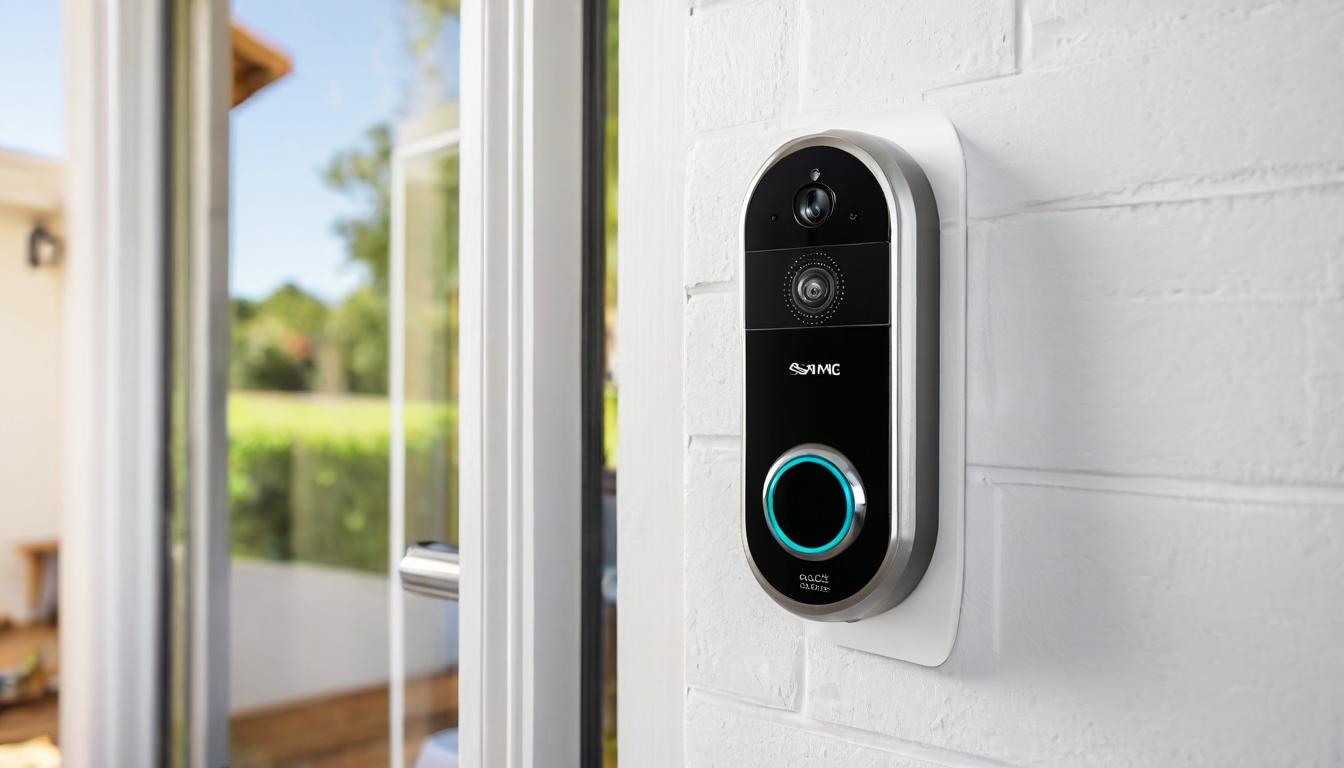
Walk through any modern neighborhood and you'll find homes that watch, listen, and learn. Smart doorbells with facial recognition that can distinguish between your teenage daughter and a stranger. Refrigerators that monitor for unusual temperature fluctuations that might indicate a fire hazard. Water sensors tucked discreetly under sinks that send alerts before a leak becomes a flood. These aren't just gadgets; they're digital guardians that work in the background, creating a safety net so seamless most families forget it's even there until the moment it matters.
What's fascinating about this evolution is how it's shifting the very nature of home protection. Traditional security was reactive—an alarm sounded after a window broke. Today's systems are predictive, using patterns and data to anticipate problems before they occur. That smart thermostat doesn't just keep you comfortable; it learns your family's schedule and can detect when the house should be empty but movement sensors are triggered. The voice assistant in your kitchen might seem like just a way to play music or check the weather, but it's also listening for sounds of distress, glass breaking, or smoke alarms—and can automatically contact emergency services if needed.
Perhaps the most profound change is how this technology is democratizing safety. For decades, comprehensive home protection was a luxury reserved for those who could afford expensive monitoring contracts and professional installations. Now, a family can build a robust safety ecosystem piece by piece, starting with a $30 smart plug that can turn lights on and off while they're away, gradually adding cameras, sensors, and automated locks as their budget allows. This accessibility means safer homes across economic spectrums, not just in gated communities.
But this brave new world of connected safety comes with its own shadows. Every camera that watches your porch also collects data about your neighbors' comings and goings. Each voice assistant that listens for emergencies is also potentially recording private conversations. The very networks that keep families safe can become vulnerabilities if hacked. It's a delicate balance between protection and privacy, between convenience and surveillance—a balance each household must navigate according to their own values and comfort levels.
The human element remains crucial despite all this technology. No algorithm can replace a neighbor keeping an eye on your property while you're on vacation. No sensor can replicate the intuition of a parent who senses something 'just isn't right.' The most effective home safety strategies blend the old with the new: maintaining relationships with those living around you while leveraging technology to extend your awareness beyond what human senses can perceive.
Looking forward, the next frontier of home safety isn't about more devices, but smarter integration. Imagine systems that don't just detect a problem but coordinate the response: unlocking doors for firefighters while simultaneously turning off gas lines and guiding family members to the safest exit. Or technology that can recognize the unique gait of an elderly family member and alert caregivers if they fall, without requiring them to wear a medical alert pendant. The future isn't about being watched—it's about being cared for by environments that understand context and intention.
For families navigating this landscape, the key is intentionality. Rather than accumulating gadgets because they're trendy, thoughtful consumers are asking: What specific risks does my household face? What values are non-negotiable when it comes to privacy? How can technology address our unique needs rather than forcing us to adapt to predetermined solutions? This shift from passive consumption to active design is perhaps the most important safety development of all—empowering families to create protection systems as individual as their fingerprints.
As dusk falls and homes across the country light up, these silent guardians continue their watch. They don't judge, they don't complain, and they never sleep. They simply observe patterns, learn routines, and stand ready—not as replacements for human vigilance, but as partners in the ancient, essential work of keeping our loved ones safe. In an uncertain world, that partnership might be the most comforting development of all.
The silent guardians: how smart home tech is quietly revolutionizing family safety