If you think you know solar power, think again. While headlines chase shiny new technologies and billion-dollar deals, a quiet revolution is unfolding in backyards, warehouses, and forgotten corners of the grid. This isn't about panels getting cheaper or batteries holding more juice—though that's happening too. It's about solar slipping into places nobody expected, solving problems nobody talked about, and creating opportunities that defy conventional wisdom.
Walk through any suburban neighborhood today, and you'll see the obvious: black rectangles glinting on rooftops, a testament to homeowner economics. But dig deeper, and you'll find solar integrated into carports shading electric vehicles, woven into agricultural nets protecting crops while generating power, and even floating on reservoirs where land is scarce. These aren't futuristic concepts; they're deployed solutions, humming away while most of us aren't looking. The innovation isn't just in the silicon—it's in the application, turning constraints into advantages with elegant, almost obvious, simplicity.
Meanwhile, the financial playbook is being torn up. For years, solar lived on subsidies and tax credits, a precocious child needing support. Now, it's standing on its own, competing head-to-head with fossil fuels in markets from Texas to Chile. But the real story isn't in utility-scale farms—it's in the rise of community solar, allowing renters and low-income households to buy slices of shared arrays. It's in solar-as-a-service models, where companies install and maintain systems for a fixed monthly fee, removing upfront costs entirely. And it's in virtual power plants, where thousands of home batteries are aggregated to act like a single, massive grid resource, earning money for their owners while keeping lights on during heatwaves.
Then there's the recycling elephant in the room. With early solar panels reaching end-of-life, a new industry is emerging to reclaim silver, silicon, and glass. Startups are developing robots to disassemble panels with surgical precision, recovering 95% of materials. This isn't just environmental virtue; it's a strategic move to secure supply chains and reduce dependence on mining. In a twist of irony, solar is now creating circular economies where waste becomes feedstock, closing loops that fossil fuels never could.
But perhaps the most profound shift is human. Solar is democratizing energy, turning consumers into producers, and rewriting social contracts. In Puerto Rico after Hurricane Maria, microgrids powered by solar and batteries kept communities running when the central grid failed for months. In sub-Saharan Africa, pay-as-you-go solar kits are bringing electricity to remote villages, leapfrogging poles and wires entirely. This isn't just technology spreading; it's empowerment, resilience, and agency flowing to the edges.
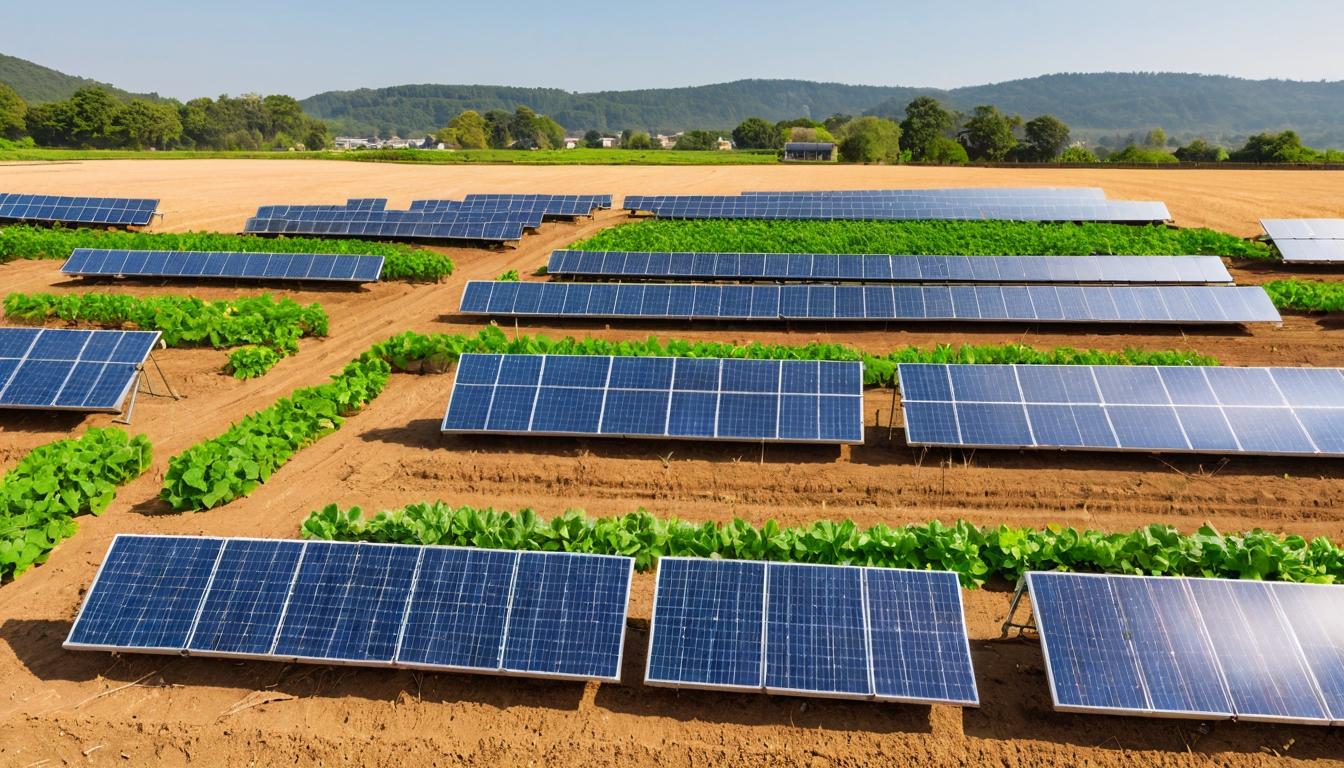
So, what's next? Keep an eye on perovskites—next-gen solar materials that could be printed like newspaper, driving costs so low that solar becomes ubiquitous. Watch for agrivoltaics, where crops grow under raised panels, increasing yield while generating power. And don't sleep on solar thermal, which stores energy as heat for days, solving renewable intermittency without expensive batteries. The future isn't a single breakthrough; it's a mosaic of adaptations, each fitting a niche, together reshaping everything.
The revolution isn't coming. It's already here, hiding in plain sight, rewriting rules while we're distracted by flashier stories. And once you see it, you can't unsee it—in every shadow, on every roof, in every quiet innovation that's turning sunlight into the new currency of power.
The hidden revolution: how solar is quietly rewriting the rules of energy