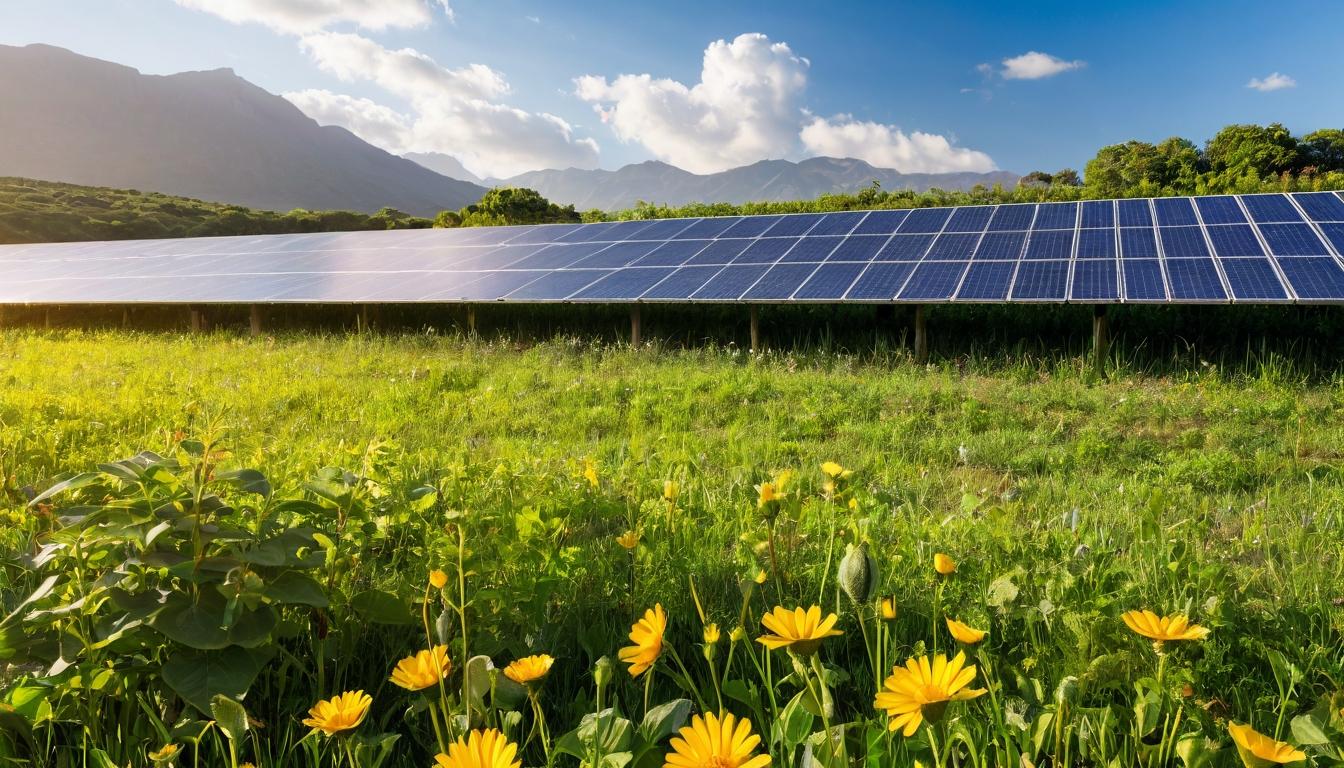
The solar panels gleaming on rooftops across America represent more than just clean energy—they're symbols of a technological revolution that's reshaping our power grid. But behind the glossy silicon surfaces and optimistic growth projections lies a complex web of challenges that could determine whether solar becomes a truly sustainable solution or just another industrial experiment. From the deserts of Nevada to the recycling facilities of Europe, the industry faces questions that go far beyond kilowatt-hours.
Walk through any major solar farm today, and you'll notice something peculiar: vast tracts of land covered in identical panels, all facing the same direction, all installed within months of each other. This manufacturing cohort effect means that in 15-20 years, these installations will reach end-of-life simultaneously, creating a tsunami of solar waste that current recycling infrastructure simply cannot handle. While Europe has implemented producer responsibility programs, the U.S. still lacks comprehensive federal regulations for solar panel disposal, leaving states and companies to piece together solutions.
The land beneath these panels tells another story. Utility-scale solar projects now cover approximately 500,000 acres across the U.S., with projections suggesting that number could triple by 2030. This rapid expansion has sparked conflicts between clean energy developers, conservationists, and agricultural communities. In California's Central Valley, farmers worry about losing prime agricultural land. In the Southwest, conservation groups document impacts on desert tortoises and other sensitive species. The solution may lie in 'dual-use' solar—agrivoltaics that combine farming with energy generation—but these innovative approaches remain niche applications rather than standard practice.
Meanwhile, the global supply chain that makes solar affordable faces its own turbulence. While China dominates panel manufacturing, recent trade investigations and geopolitical tensions have exposed vulnerabilities in this concentrated system. The U.S. Inflation Reduction Act aims to reshore solar manufacturing, but building competitive domestic production will take years and significant investment. During this transition, installers face uncertainty about equipment availability and pricing, complicating project planning and potentially slowing deployment.
Policy gaps create another layer of complexity. Net metering—the policy that allows solar owners to sell excess power back to the grid—faces challenges in multiple states as utilities argue it shifts grid maintenance costs to non-solar customers. These debates often overlook innovative solutions like time-of-use rates or virtual power plants that could benefit all ratepayers. Similarly, interconnection queues for new solar projects have grown so long in some regions that developers wait years just to connect to the grid, adding costs and delaying clean energy deployment.
The technology itself continues to evolve in ways that could address some of these challenges. Bifacial panels that capture light from both sides, perovskite solar cells with higher efficiency potential, and building-integrated photovoltaics that turn entire structures into power generators all represent promising advances. Yet each innovation brings new questions about durability, recyclability, and real-world performance that will take years to answer.
Perhaps the most overlooked challenge involves the human element. The solar industry needs to train approximately 300,000 new workers by 2030 to meet installation targets, but faces competition from other construction sectors for skilled labor. Training programs are expanding, but retention remains difficult as workers chase higher wages in oil and gas or other industries. This workforce challenge extends to recycling technicians, project developers, and maintenance specialists—creating bottlenecks throughout the solar ecosystem.
What emerges from examining these interconnected issues is a picture of an industry at a crossroads. The rapid growth of recent years has been fueled by falling costs and supportive policies, but long-term sustainability requires addressing the full lifecycle of solar technology. From mining raw materials to decommissioning old panels, from protecting ecosystems to training workers, the challenges are systemic rather than isolated.
The path forward isn't about abandoning solar, but about building a more resilient, circular, and equitable solar economy. This means designing panels for disassembly, creating markets for recycled materials, developing smarter land-use policies, and ensuring that clean energy benefits reach all communities. It requires collaboration between manufacturers, installers, recyclers, policymakers, and researchers—breaking down the silos that have characterized much of the industry's development.
As the sun sets on another day of solar generation, the industry's future depends not just on capturing more photons, but on building systems that can sustain themselves for generations. The panels on our rooftops and in our fields represent both tremendous progress and unfinished business—a technological marvel that still needs to mature into a truly sustainable solution. How we address these hidden costs today will determine whether solar becomes a footnote in energy history or the foundation of a cleaner tomorrow.
The solar revolution's hidden costs: How recycling, land use and policy gaps threaten clean energy's future