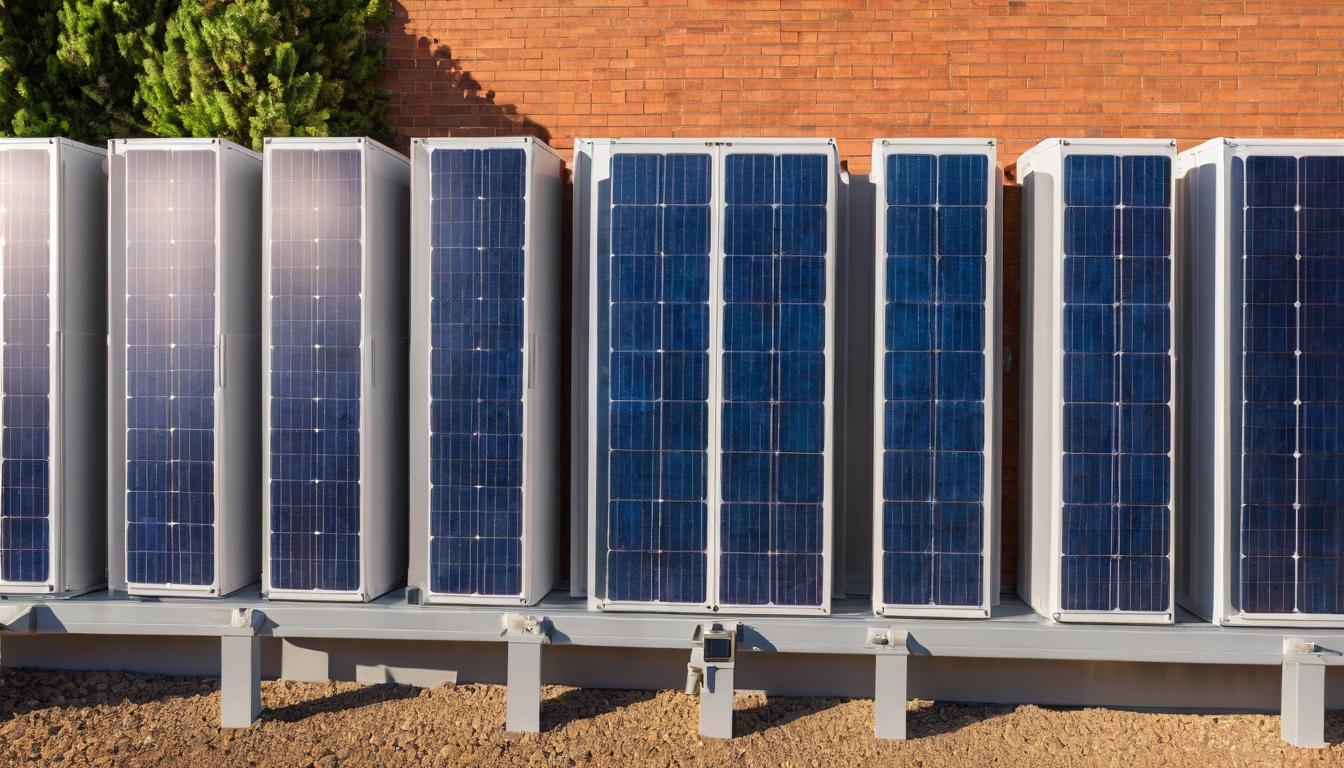
While headlines chase the latest electric vehicle launches or fusion breakthroughs, a quieter transformation has been unfolding on rooftops and in fields across America. Solar power, once dismissed as a boutique solution for eco-conscious homeowners, has become a disruptive force reshaping everything from utility business models to community resilience. The real story isn't in the glossy brochures but in the data streams flowing from millions of panels, telling a tale of democratized energy that traditional power companies are struggling to comprehend.
Walk through any suburban neighborhood today, and you'll see the physical evidence of this shift—solar arrays that have become as commonplace as satellite dishes were two decades ago. But the visible hardware tells only part of the story. Behind those panels lies a complex ecosystem of microinverters, monitoring software, and battery systems that have turned passive consumers into active energy managers. Homeowners aren't just buying electricity anymore; they're participating in a distributed energy network that challenges century-old assumptions about how power should flow.
Utility executives are facing an existential dilemma they never anticipated. For decades, their business model relied on predictable demand growth and centralized generation. Now they're watching as rooftop solar erodes their customer base while creating operational headaches they're ill-equipped to handle. The duck curve—that infamous dip in net demand when solar floods the grid—isn't just a technical challenge; it's a financial time bomb for infrastructure built around different assumptions. Some utilities are fighting back with fees and restrictions, while others are embracing the change by launching their own solar programs, creating a patchwork of regulations that varies wildly from state to state.
Meanwhile, in boardrooms from Silicon Valley to Shanghai, manufacturers are racing to solve solar's last remaining hurdles. The conversation has shifted from whether solar works to how to make it work better—longer-lasting panels, more efficient inverters, smarter integration with existing infrastructure. Perovskite cells promise efficiencies that could make today's technology look primitive, while bifacial panels capture sunlight from both sides, squeezing extra kilowatt-hours from every installation. These aren't laboratory curiosities; they're heading toward commercial production, threatening to upend the economics of solar yet again.
Perhaps the most revolutionary development isn't technical at all. Community solar projects are allowing renters, apartment dwellers, and low-income households to participate in the solar revolution without installing a single panel. By subscribing to shares of larger solar farms, they're accessing clean energy and predictable bills while bypassing the upfront costs that once made solar exclusive to homeowners with good credit and suitable roofs. This model is particularly transformative in states like New York and Minnesota, where it's creating new alliances between environmental advocates, community organizers, and pragmatic policymakers.
The financial landscape has undergone its own quiet revolution. Solar leases and power purchase agreements (PPAs) have eliminated the sticker shock that once kept solar out of reach for middle-class families. Now, homeowners can go solar with little or no money down, paying for electricity rather than equipment. This shift has turned solar into a service rather than a product, creating recurring revenue streams for installers while making adoption decisions as simple as comparing utility bills. The result? Solar is spreading through neighborhoods like a benign virus, with each installation making the next more likely as neighbors see the benefits firsthand.
Storage has emerged as solar's perfect partner, solving the intermittency problem that critics once cited as renewable energy's fatal flaw. Home batteries like the Tesla Powerwall aren't just backup systems for power outages; they're becoming intelligent energy managers that store surplus solar production for use during peak hours when grid electricity is most expensive. This combination turns homes into virtual power plants, capable of feeding electricity back to the grid when it's needed most and reducing strain on aging infrastructure during heat waves and cold snaps.
On the industrial scale, solar is rewriting the rules of corporate energy procurement. Companies like Amazon, Walmart, and Google aren't just installing solar panels on warehouses; they're signing deals for entire solar farms that offset their massive electricity consumption. These corporate power purchase agreements have become so common that they're creating a parallel energy market, with companies effectively acting as utilities for their own operations. The motivation isn't purely environmental—it's about locking in predictable energy costs for decades, providing a competitive advantage that fossil fuels can't match.
The regulatory battles tell their own story of disruption. Net metering policies, which determine how solar owners are compensated for excess electricity, have become political footballs in state capitals across the country. Utilities argue that solar owners aren't paying their fair share for grid maintenance, while solar advocates counter that distributed generation provides benefits that traditional accounting misses. These aren't abstract policy debates; they're determining whether solar continues its rapid growth or hits artificial barriers designed to protect incumbent interests.
Looking forward, the most exciting developments might be the least visible. Building-integrated photovoltaics (BIPV) are turning windows, facades, and even road surfaces into power generators, blurring the line between infrastructure and energy production. Meanwhile, artificial intelligence is optimizing solar performance in real time, predicting output based on weather patterns and adjusting home energy use to maximize self-consumption. These technologies promise to make solar not just an addition to buildings but an integral part of their design and operation.
The solar revolution has reached an inflection point where technical potential, economic viability, and social acceptance are aligning. What began as a niche technology for off-grid enthusiasts has become a mainstream energy source that's fundamentally altering how we produce and consume electricity. The transformation isn't happening in dramatic leaps but in millions of small decisions—homeowners choosing panels, communities organizing solar gardens, corporations signing power contracts. Together, they're creating an energy system that's more resilient, more democratic, and ultimately more sustainable than what came before.
The hidden revolution: how solar is quietly rewriting energy rules